
Interest in taro leaves cigarette materials has raised questions about botanical ingredients and their potential applications. Some buyers investigate dried chopped taro leaves when researching plant-based raw materials. However, interest in a material does not establish that it is suitable or safe for smoking.
Taro, scientifically known as Colocasia esculenta, is a tropical plant cultivated for its edible corms and leaves. Its traditional food uses differ significantly from burning the leaves and inhaling the resulting smoke.
This guide explores dried chopped taro leaves, botanical material quality, supplier considerations, and the safety issues surrounding herbal cigarettes.
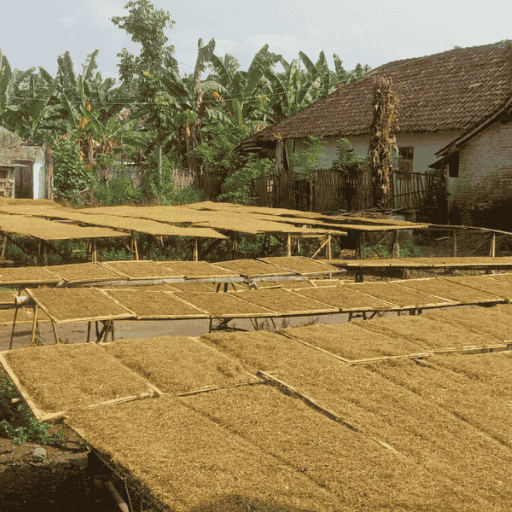
What Is a Taro Leaves Cigarette?
The term taro leaves cigarette describes a proposed or discussed cigarette product involving taro leaves instead of conventional tobacco. However, reliable evidence establishing taro leaves as a safe or effective cigarette ingredient is lacking.
Herbal cigarettes generally contain plant materials rather than tobacco. Some products do not contain nicotine, but that does not make their smoke harmless. The National Cancer Institute explains that herbal cigarette smoke can contain harmful substances, including tar and carbon monoxide.
It is therefore important to distinguish botanical sourcing from smoking-product safety. A plant’s availability, natural origin, or traditional use does not establish its suitability for inhalation.
Understanding Dried Chopped Taro Leaves
Dried chopped taro leaves are plant materials processed into smaller pieces for handling, storage, or appropriate commercial applications. Their characteristics depend on botanical identity, harvesting practices, drying conditions, and storage.
Businesses evaluating dried chopped taro leaves should review several product characteristics:
- Botanical identity: Confirm the plant species and material origin.
- Moisture content: Request available measurements and recommended storage conditions.
- Cut size: Check whether particle dimensions meet the intended application requirements.
- Appearance: Review color, visible foreign matter, and general consistency.
- Packaging: Confirm protection against moisture and contamination.
- Traceability: Ask about sourcing and processing documentation.
These details help buyers assess raw material consistency. They do not, however, demonstrate that the material is safe to burn or inhale.
Taro leaves also require careful identification because some related plants can cause significant irritation. The Hong Kong Centre for Food Safety describes poisoning incidents involving wild taro and calcium oxalate crystals.
How Are Botanical Leaves Processed?
Processing methods influence the physical quality and storage characteristics of botanical materials. A typical raw-material supply chain may include harvesting, sorting, drying, cutting, inspection, and packaging.
Each stage serves a specific purpose.
1. Harvesting and Identification
Suppliers should establish the botanical identity and origin before processing. Accurate identification reduces the risk of mixing different plant species.
2. Drying and Moisture Control
Drying reduces moisture, which can help limit deterioration during suitable storage. Buyers should request documented specifications rather than assuming all dried leaves have identical characteristics.
3. Cutting and Sorting
Chopping produces smaller pieces that are easier to package and handle. Sorting may remove visible foreign material and help improve consistency.
4. Packaging and Storage
Suitable packaging helps protect dried leaves during transportation and storage. Buyers should confirm storage recommendations, packaging integrity, and product documentation.
These processes describe general botanical-material handling. They do not validate the safety of taro leaves for cigarette manufacturing or inhalation.
Are Taro Leaves Safe for Cigarettes?
There is insufficient evidence to establish that smoking taro leaves is safe. Food use and inhalation involve different exposure routes, so one cannot establish the safety of the other.
Burning plant material can generate harmful gases and fine particles. Even herbal cigarettes without tobacco can expose users to harmful combustion products.
Taro leaves also present botanical safety concerns. Certain taro materials contain calcium oxalate crystals that can irritate tissues. The risks depend on plant identity and exposure conditions, and ordinary drying should not be treated as proof of safety.
Consider these important points before evaluating any herbal smoking material:
- Natural ingredients are not automatically safe for inhalation.
- Nicotine-free does not mean smoke-free or risk-free.
- Drying and chopping do not establish inhalation safety.
- Product specifications cannot replace toxicological testing.
- Marketing claims should be supported by appropriate scientific evidence.
People seeking to stop smoking should consider evidence-based cessation support. A qualified healthcare professional can explain suitable options, including approved nicotine replacement therapies.
Choosing a Reliable Dried Taro Leaves Supplier
Businesses sourcing botanical materials should evaluate suppliers using clear specifications and documented quality procedures. The intended application should be established before purchase.
Useful questions include:
- Can the supplier confirm the botanical identity?
- What are the moisture content and cut-size specifications?
- How are materials inspected and packaged?
- What storage conditions are recommended?
- Can the supplier provide traceability documents?
- Are the intended use and destination market legally permitted?
Buyers interested in product specifications can explore dried chopped taro leaves. Confirm the material’s suitability for your application directly with the supplier.
For additional product information, visit Indonesia Cocopeat’s dried taro leaves page. Availability should not be interpreted as evidence that the product is safe for smoking.
You can also read about tobacco replacement alternatives to understand broader discussions surrounding botanical materials and tobacco substitutes.
Conclusion: Make Informed Decisions About Taro Leaves Cigarette Materials
Research into taro leaves cigarette materials requires careful attention to botanical identity, processing quality, regulatory requirements, and health evidence. Dried chopped taro leaves may be considered for certain appropriate material applications, but their safety for smoking has not been established.
Responsible purchasing begins with transparent specifications and realistic expectations. Avoid unsupported claims that herbal ingredients are healthier or safer simply because they come from plants.
For product information about dried chopped taro leaves for an appropriate application, contact our team to discuss specifications, packaging, and availability.
Contact us today:
- WhatsApp: +62-812-1233-3590 (Maria)
- Email: sales@arlion.co.id