Interest in plant-based products has encouraged discussions about taro leaves as a tobacco substitute. Some consumers explore botanical materials when researching alternatives to conventional tobacco products.
However, natural origin does not guarantee safety, particularly when plant materials are burned and inhaled. The safety of smoking taro leaves has not been established through sufficient scientific evidence.
Understanding the plant, its processing requirements, and potential health concerns is essential before considering any alternative. This article examines dried chopped taro leaves, their characteristics, and important factors consumers should understand.
What Does Taro Leaves as a Tobacco Substitute Mean?
The phrase describes interest in using taro leaves instead of tobacco in smoking products. Taro is a tropical plant widely recognized for its edible corms and large green leaves.
Its leaves appear in traditional cuisines across several regions. However, culinary use differs significantly from inhaling smoke produced by burning plant material.
Some herbal smoking products contain plants other than tobacco. Nevertheless, replacing tobacco with another botanical ingredient does not automatically eliminate respiratory hazards.
The National Cancer Institute explains that herbal cigarettes can produce harmful chemicals, including tar and carbon monoxide, when burned.
Therefore, taro leaves should not be promoted as a proven safe smoking alternative.
Understanding Dried Chopped Taro Leaves
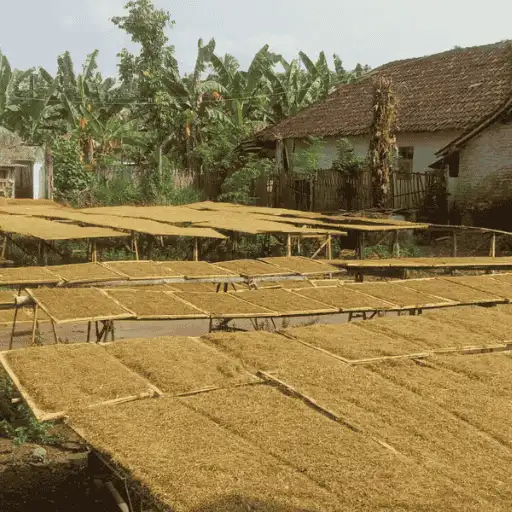
Dried chopped taro leaves are botanical materials processed through drying and cutting. Their physical characteristics depend on the plant variety, harvesting practices, processing conditions, and storage environment.
These materials may differ in color, particle size, moisture content, and overall appearance. Such differences can influence handling, packaging, and storage requirements.
When evaluating dried chopped taro leaves, buyers should consider several factors:
- Botanical identification: Confirm the plant species and avoid unidentified lookalike plants.
- Moisture content: Appropriate moisture management helps reduce deterioration during storage.
- Cleanliness: Inspect materials for visible contamination and foreign objects.
- Packaging: Suitable packaging protects dried leaves during transportation.
- Traceability: Supplier documentation helps establish the material’s origin and handling history.
These characteristics are relevant to general agricultural product quality. They do not establish suitability for smoking or inhalation.
Businesses interested in botanical materials can review the product information for dried chopped taro leaves.
Are Taro Leaves a Safe Tobacco Substitute?
The safety of smoking taro leaves has not been established. There is insufficient evidence to recommend burning and inhaling taro leaf material.
One concern involves calcium oxalate crystals found in certain taro plants. These needle-shaped crystals can irritate tissues when exposure occurs through particular routes.
The Hong Kong Centre for Food Safety warns that wild taro can cause significant irritation and should not be mistaken for edible taro.
However, evidence concerning plant ingestion or direct contact does not independently establish the effects of inhaling taro leaf smoke. Specific research would be needed to assess those risks.
Combustion creates additional concerns. Burning plant material can release fine particles, carbon monoxide, and other potentially harmful substances.
Consequently, consumers should not assume taro leaves are safer than tobacco because they are plant-based. They should also avoid products making unsupported health or safety claims.
Why Do People Explore Herbal Tobacco Alternatives?
People investigate herbal smoking products for different reasons. Some seek products without tobacco, while others are interested in botanical ingredients or traditional plant materials.
However, removing tobacco does not necessarily remove the hazards associated with smoke inhalation.
Common considerations include:
Ingredient transparency: Consumers may want to know exactly which plant materials a product contains.
Product consistency: Botanical materials can vary according to growing conditions, harvesting, and processing.
Health concerns: People may seek alternatives because they want to reduce exposure to conventional tobacco products.
Regulatory requirements: Product classification and applicable regulations can differ between markets.
These considerations support informed research, but they do not prove that any particular herbal cigarette is safe.
People who want to stop smoking should consider evidence-based cessation support. Healthcare professionals can explain suitable treatments and behavioral approaches.
How to Evaluate Dried Botanical Materials Responsibly
Businesses purchasing dried leaves should assess products according to their documented applications rather than unsupported promotional claims.
Use the following checklist:
- Confirm the intended application. Establish whether the material is sold for a clearly documented and appropriate use.
- Request specifications. Ask about botanical identity, moisture, processing, and packaging.
- Review safety documentation. Seek relevant evidence for the intended application.
- Check regulatory requirements. Confirm applicable rules in the destination market.
- Evaluate supplier transparency. Prefer suppliers who communicate limitations clearly.
- Avoid unverified claims. Do not assume a product is safe for inhalation without credible supporting research.
For additional context, read our article about taro leaf cigarette alternatives.
Readers can also explore product information through Indonesia Cocopeat’s dried taro leaves page.
Product availability should never be confused with proof of safety for a particular use.
Storage and Quality Considerations
Proper storage helps preserve the quality of dried botanical materials for their documented applications.
Materials should be protected from excessive moisture, pests, direct contamination, and unsuitable storage conditions. Packaging should be appropriate for transportation and the intended storage period.
Buyers should also maintain records of product batches and supplier specifications where relevant.
These measures support traceability and general quality management. They cannot eliminate inherent plant toxins or establish the safety of inhaling smoke.
Conclusion: Make Informed Decisions About Taro Leaves
Taro leaves are botanical materials with established culinary uses when correctly identified and properly prepared. However, their use as a tobacco substitute raises important safety questions that current evidence does not adequately resolve.
Consumers should avoid treating taro leaf cigarettes as harmless or medically validated alternatives. Businesses should communicate product specifications transparently and avoid unsupported claims about smoking safety.
Need information about dried chopped taro leaves? Contact our team to discuss product specifications, sourcing, and available documentation for appropriate applications.
- WhatsApp: +62-812-1233-3590 (Maria)
- Email: sales@arlion.co.id