
Dried chopped taro leaves are agricultural materials that require careful processing and storage. Their quality depends on harvesting, drying, packaging, and transportation. Understanding these factors helps businesses maintain product consistency and reduce potential losses.
For wholesalers and importers, choosing suitable dried chopped taro leaves involves more than comparing prices. Buyers should evaluate product specifications, packaging, and supplier reliability.
The material may also attract interest from buyers researching taro leaf for cigarettes. However, natural plant materials are not automatically safe to smoke. Burning and inhaling plant matter can expose users to harmful substances.
This article explores important considerations for handling, evaluating, and sourcing dried taro leaves.
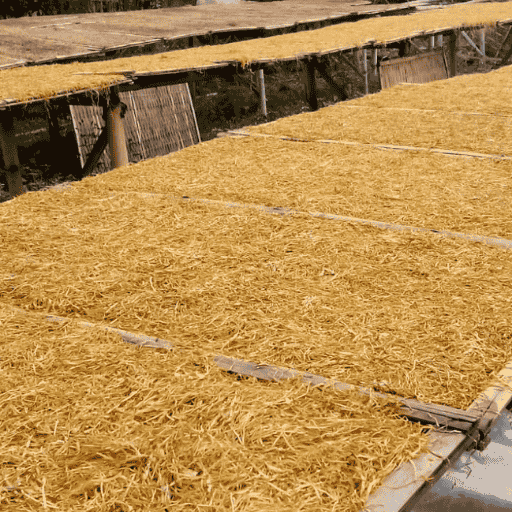
Understanding Dried Chopped Taro Leaves
Taro leaves come from taro plants, commonly identified as Colocasia esculenta. After harvesting, suitable leaves can be cleaned, chopped, and dried for various commercial purposes.
The finished material typically consists of small, lightweight pieces. Its color may range from green to brown, depending on the variety and processing conditions.
Several characteristics influence product quality:
- Appearance: Consistent color and minimal visible contamination.
- Cut size: Pieces that meet the buyer’s requested dimensions.
- Moisture: Controlled moisture levels that support proper storage.
- Cleanliness: Minimal dust, soil, and unwanted foreign materials.
- Packaging: Protection against moisture and physical damage.
Buyers should establish clear specifications before ordering. These details help suppliers understand expectations and prepare suitable products.
How Processing Affects Product Quality
Processing plays an important role in determining the quality of dried chopped taro leaves. Each production stage requires suitable handling and quality checks.
The process generally includes harvesting, cleaning, chopping, drying, sorting, and packaging.
Harvesting suitable leaves helps reduce the amount of damaged material. Cleaning removes visible dirt and unwanted debris before further processing.
Chopping creates pieces that match the required specifications. Consistent cutting can make the material easier to handle and package.
Drying is another essential stage. Insufficient drying can leave excess moisture, increasing the risk of mold during storage. Excessive or uneven drying may also affect the material’s appearance.
Finally, sorting helps remove unsuitable pieces and visible contaminants. These steps support more consistent batches.
Packaging and Storage Requirements
Proper packaging helps protect dried chopped taro leaves during storage and transportation. Moisture exposure is a particular concern because it can encourage deterioration.
Businesses should consider packaging that provides suitable protection against humidity, dust, and physical damage.
Important storage practices include:
- Keep products in a clean and dry environment.
- Avoid direct sunlight and excessive heat.
- Protect packages from water and humidity.
- Store materials away from strong odors and contaminants.
- Inspect packages periodically for damage or moisture.
For bulk orders, buyers should discuss packaging specifications with their suppliers. Suitable packaging can help preserve product condition during long-distance shipping.
Storage conditions should also be considered before purchasing large quantities. Businesses need sufficient space and appropriate facilities to maintain product quality.
Commercial Considerations for Bulk Buyers
Bulk purchasing requires careful planning. Buyers should evaluate product consistency, order quantities, packaging, and delivery schedules.
Before confirming an order, consider the following:
- Minimum order quantity.
- Available product specifications.
- Sample availability.
- Packaging options.
- Production capacity.
- Estimated delivery time.
- Export documentation, when applicable.
Requesting samples can help buyers assess appearance, cut size, and general cleanliness. However, visual inspection alone cannot confirm every quality parameter.
For larger shipments, buyers may request agreed specifications and relevant inspection documentation. These measures help establish clear expectations between both parties.
You can review the dried chopped taro leaves product information to learn more about the available material.
Taro Leaf for Cigarettes: Understanding the Risks
Some buyers search for taro leaf for cigarettes when exploring alternative plant materials. However, the intended use requires careful consideration.
Taro leaves naturally contain calcium oxalate crystals. These compounds can cause irritation when raw leaves are handled or consumed improperly.
Processing methods used for food preparation may reduce certain compounds. However, this does not establish that dried taro leaves are safe to burn or inhale.
Smoke from burning plant material can contain fine particles and harmful chemicals. There is insufficient evidence to establish the safety of smoking dried chopped taro leaves.
Businesses should avoid making unsupported health or safety claims. Product descriptions should accurately reflect verified specifications and intended applications.
Choosing a Reliable Taro Leaf Supplier
A reliable supplier should provide clear information about product specifications and handling. Consistent communication helps buyers understand what they are purchasing.
When evaluating suppliers, consider these factors:
- Clear descriptions of product characteristics.
- Consistent processing and quality-control procedures.
- Appropriate packaging for the intended shipment.
- Transparent communication about availability.
- Realistic production and delivery schedules.
- Responsiveness to buyer questions.
A supplier’s ability to explain its processes can help buyers assess whether its products meet their requirements.
For additional product information, visit Indonesia Cocopeat’s dried taro leaves page. Comparing specifications can help businesses prepare more informed purchasing decisions.
Managing Product Quality After Delivery
Quality management should continue after the products arrive. Buyers should inspect incoming shipments and compare them with the agreed specifications.
Check the packaging for tears, moisture, or other visible damage. Examine the product for unusual odors, discoloration, or signs of mold.
Record any differences and contact the supplier when necessary. Keeping shipment records can also help businesses monitor recurring quality issues.
For long-term storage, use a first-in, first-out inventory system. This approach helps businesses manage stock and avoid unnecessarily extended storage.
Conclusion: Improve Your Taro Leaf Sourcing Process
Sourcing dried chopped taro leaves requires attention to processing, packaging, storage, and supplier reliability. Clear specifications and careful inspections can help businesses maintain consistent purchasing standards.
Whether you are sourcing samples or planning bulk orders, understanding product requirements is an important first step. Our team can help you discuss product availability, packaging options, and commercial requirements.
Contact us today:
WhatsApp: +62-812-1233-3590 (Maria)
Email: sales@arlion.co.id