
Dried chopped taro leaves are processed botanical materials made from carefully prepared taro foliage. They can offer practical advantages for storage, transportation, and further processing.
Taro leaves are used in various food traditions across tropical regions. However, proper processing is important because fresh taro leaves contain calcium oxalate crystals. These compounds can cause irritation when the leaves are consumed raw.
Understanding production, quality, storage, and intended use helps buyers evaluate this product more effectively.
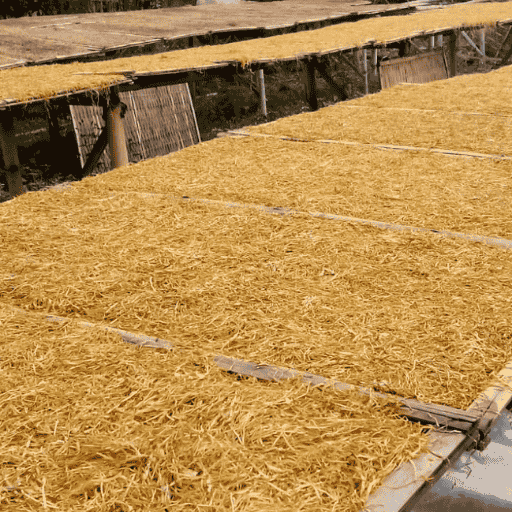
What Are Dried Chopped Taro Leaves?
Dried chopped taro leaves come from taro plants, commonly identified as Colocasia esculenta. The leaves are harvested, prepared, chopped, and dried under controlled conditions.
Drying significantly reduces moisture. This makes the product easier to store and transport than fresh leaves.
Chopping also creates a more uniform material. This characteristic can benefit customers requiring consistent sizes for further processing.
However, drying should not be confused with complete cooking. Taro leaves require appropriate preparation before human consumption.
How Dried Chopped Taro Leaves Are Produced
Production quality depends on each processing stage. Proper handling helps maintain product consistency.
A typical process can include:
- Selecting suitable and mature leaves.
- Removing unwanted plant material.
- Washing and cleaning the leaves.
- Chopping the leaves into controlled sizes.
- Applying suitable drying conditions.
- Checking moisture and appearance.
- Packaging the finished product.
- Storing it in a dry environment.
Processing conditions can vary according to the intended application. Buyers should therefore confirm specifications with their supplier.
Why Proper Processing Matters
Taro leaves naturally contain calcium oxalate. These needle-like crystals can cause an unpleasant, irritating sensation.
Research has documented substantial oxalate levels in different taro leaf cultivars. The amounts can vary according to cultivar and growing conditions.
Traditional preparation commonly includes cooking. Heat and water-based processing can reduce soluble oxalates.
One study found that boiling taro leaves can reduce soluble oxalate through leaching.
Therefore, dried chopped taro leaves should be treated according to their intended use. Food applications require appropriate preparation and handling.
Key Quality Factors for Dried Chopped Taro Leaves
Buyers should evaluate several characteristics before purchasing dried chopped taro leaves.
Important considerations include:
- Moisture content.
- Chopped size.
- Leaf color.
- Cleanliness.
- Foreign material content.
- Odor.
- Packaging condition.
- Storage stability.
- Processing method.
- Intended application.
Consistent moisture is particularly important for dried botanical products. Excess moisture can affect storage stability and product quality.
Chopped size also matters when the material will undergo further processing.
Potential Uses of Dried Chopped Taro Leaves
Dried chopped taro leaves can serve different commercial purposes. The appropriate use depends on processing standards and product specifications.
Potential applications may include:
- Food ingredient processing.
- Traditional food preparation.
- Botanical ingredient research.
- Agricultural applications.
- Animal-feed research.
- Further dried-plant processing.
For food applications, buyers should verify that the product meets applicable food safety requirements.
Different cultivars may also have different chemical characteristics. Research has found meaningful variation in oxalate concentrations between taro cultivars.
Dried Taro Leaves and Food Preparation
Taro leaves have a long history as a food ingredient in parts of Asia and the Pacific. However, they are not normally eaten raw.
A government agricultural reference notes that taro plant parts should be cooked before eating because of calcium oxalate raphides.
Cooking methods can include boiling, steaming, or other appropriate heat treatments.
The exact preparation depends on the cultivar and intended recipe. Consumers should follow established preparation practices for edible taro leaves.
Understanding the Taro Leaves Cigarette Search Term
Some buyers may encounter the phrase taro leaves cigarette when researching dried leaves online. This phrase can refer to searches involving dried leaves and smoking-related applications.
However, dried taro leaves should not automatically be considered suitable or safe for smoking. The food safety research on taro leaves does not establish that smoking them is safe.
There is also no basis for treating a dried botanical product as a tobacco substitute without appropriate safety evidence.
For commercial buyers, the intended application should therefore be clearly stated before purchasing dried chopped taro leaves.
Storage and Packaging Requirements
Proper storage helps maintain the quality of dried chopped taro leaves.
The product should generally be protected from moisture, contamination, excessive heat, and direct environmental exposure.
Suitable packaging can help reduce moisture absorption during transportation. Buyers should also consider the expected storage duration.
Important storage considerations include:
- Keep packages properly sealed.
- Store products in a dry location.
- Avoid direct contact with water.
- Protect products from contamination.
- Follow supplier-specific storage recommendations.
Good warehouse practices can help preserve product quality throughout the supply chain.
Choosing a Dried Chopped Taro Leaves Supplier
Supplier selection should focus on more than price. Buyers should evaluate processing consistency and product documentation.
Ask suppliers about:
- Raw material origin.
- Processing methods.
- Chopping specifications.
- Moisture targets.
- Packaging options.
- Available quantities.
- Quality control procedures.
- Intended applications.
Businesses looking for product information can explore the dried chopped taro leaves product page.
Additional information about the product is also available through this dried chopped taro leaves resource.
For another source of information, buyers can review dried taro leaves applications.
Final Thoughts
Dried chopped taro leaves can provide practical benefits for storage, transportation, and further processing. Their quality depends on raw materials, drying, chopping, packaging, and storage.
Proper preparation remains essential for edible applications. Taro leaves naturally contain calcium oxalate, so raw consumption should be avoided.
If you need dried chopped taro leaves for your business, our team can discuss product specifications, packaging, quantities, and intended applications.
Contact us today for product information and supply inquiries.
WhatsApp: +62-812-1233-3590 (Maria)
Email: sales@arlion.co.id