

Coir Sheet
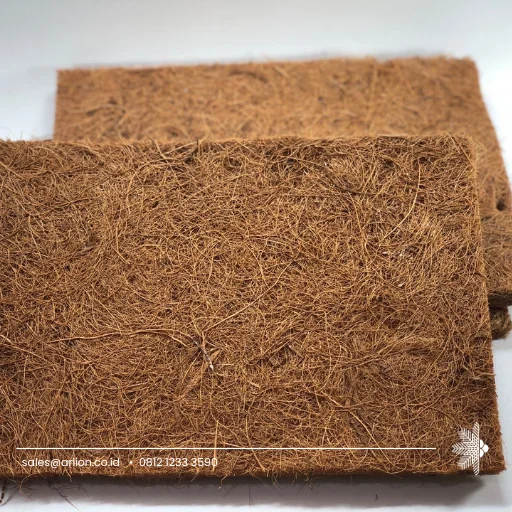
Coir Sheet is a product crafted from coconut coir, the fibrous material located between the tough internal shell and the outer coat of a coconut. Through modern processing methods, this coir is transformed into a sheet, typically ranging from 1-3 cm in thickness, 25-50 meters in length, and 1-2 meters in width. The sheet may appear in its natural brownish-yellow color or be treated with added latex or sap as an adhesive. This treatment helps prevent the coconut fibers from decomposing easily, enhancing the durability of the sheet.

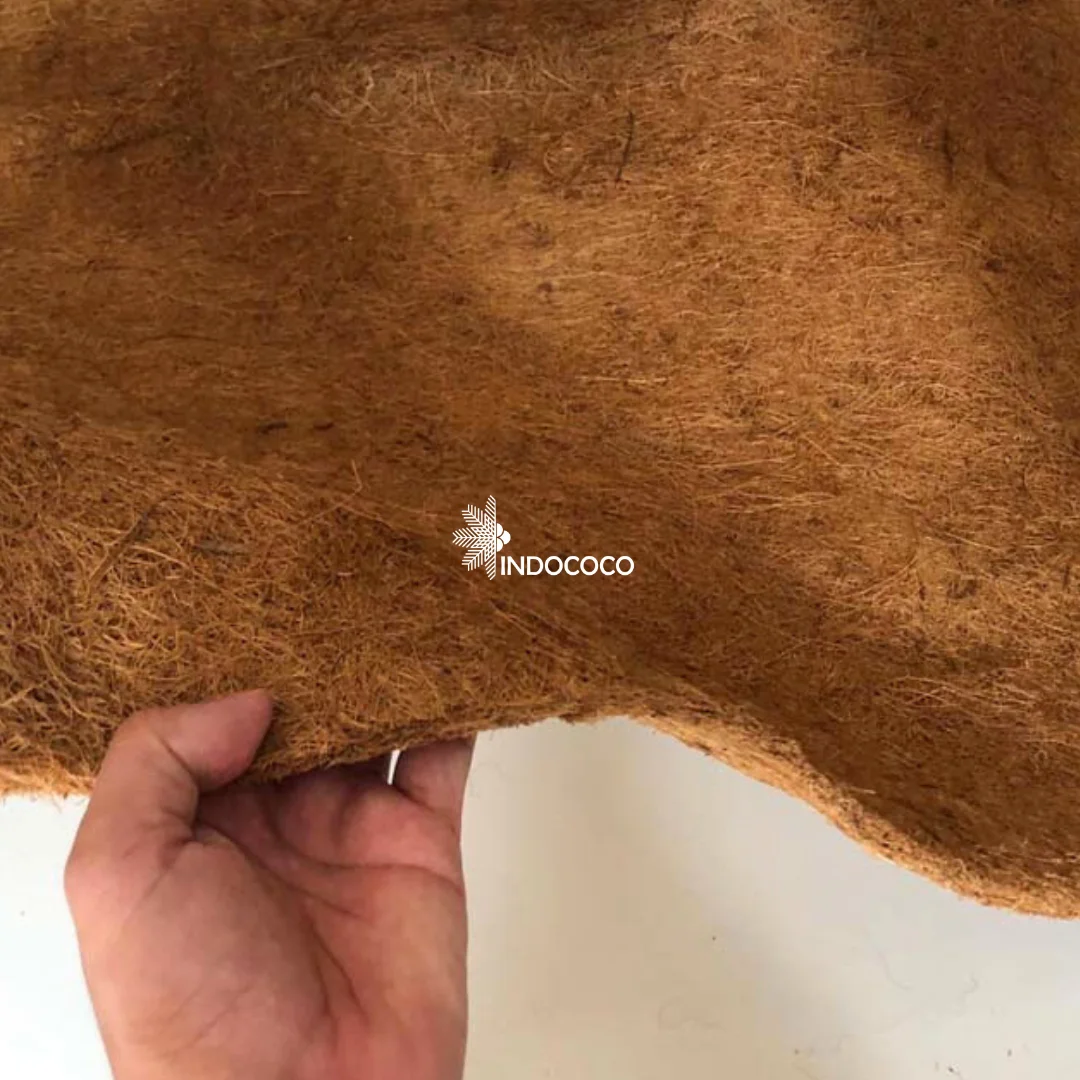

Used For
Ground Cover
Used as ground cover or mulch, Coir Sheet helps prevent weed growth and retains soil moisture in gardens and landscaping.
Manufacturing
In manufacturing, Coco Sheet finds application as a coating material, commonly used in the production of car seats and other related products.
Household Products
Coco Sheet contributes to the manufacturing of household items such as mattresses, sofa upholstery, floor mats, and footwear.
Spesification
Type : Sheets
Color : Golden – Brown
Latex : 10% – 50%
Thickness : 1-3 Cm
Width : 20 – 50 Cm
Customized
People Also View
Hydroponic
Coconut Peat
Coir Fiber
Coconut Derivative
Charcoal
Others
Frequently Asked Question
What is a coconut sheet used for?
A coir sheet is a sustainable, durable product made from compressed coconut fibers, offering an eco‑friendly alternative to plastics. Its natural strength, breathability, and biodegradability make it useful across industries such as packaging, insulation, and furniture. The fibrous structure provides cushioning for fragile items, while in construction it helps regulate temperature and reduce noise. In furniture, coir sheets are used for mattress padding and seat cushions, balancing comfort with firmness. Overall, their renewable nature supports green manufacturing and reduces waste. Read our article to learn more.
How are coconut fibre rolls beneficial for gardening and erosion control?
What is a coco peat sheet, and how is it used?
A coco peat sheet is a compressed mat made from coconut coir dust, known for its excellent water retention and aeration properties. It is commonly used as a growing medium for hydroponic farming, seed propagation, and vertical gardening. Read our article to learn more.
What are the advantages of using a coconut fibre sheet?
A coir sheet is a durable and biodegradable material used in mattress padding, soundproofing, and upholstery. Its natural elasticity, moisture resistance, and breathability make it an eco-friendly alternative to synthetic fibers in furniture and bedding. Read our article to learn more.
Is a coconut bed sheet made from coconut fibers?
Coconut bed sheets are sustainable, breathable bedding made with coconut‑derived fibers blended with natural materials like cotton or bamboo. They are valued for their cooling properties, helping regulate body temperature and reduce moisture buildup for a fresher sleep. Their eco‑friendly composition minimizes environmental impact while offering a soft, hypoallergenic, and chemical‑free option. This combination of comfort, durability, and sustainability makes them ideal for warm climates and environmentally conscious consumers. Read our article to learn more.
What are the uses of a coconut shell sheet?
A coconut shell sheet is a rigid, compressed panel made from coconut shell powder or coconut fiber composites. It is used in decorative wall panels, furniture, and eco-friendly construction materials as a sustainable alternative to wood and plastic. Read our article to learn more.