
Energy demand continues to grow across households and industries. This situation encourages businesses to explore cleaner and more efficient fuel sources. Wood pellet biomass has become an attractive option for renewable energy applications.
These pellets are produced from compressed wood materials and other suitable biomass residues. Their compact shape makes them easier to handle, store, transport, and feed into heating systems.
With proper production and storage, wood pellet biomass can provide consistent fuel performance. It can also support businesses seeking practical alternatives to conventional fossil fuels.
What Is Wood Pellet Biomass?
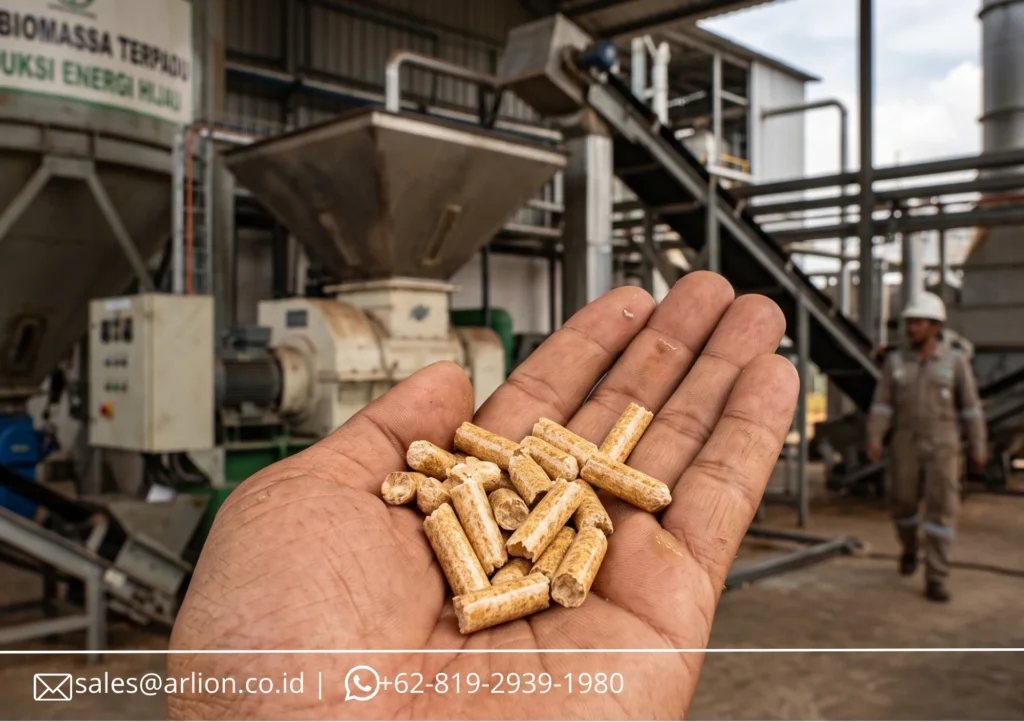
Wood pellet biomass is a solid fuel made by compressing processed wood materials. Manufacturers commonly use sawdust, wood shavings, and other suitable residues.
The raw materials are dried and processed before entering a pelletizing machine. High pressure forms the material into small, dense cylindrical pellets.
This production process improves handling and fuel consistency. Pellets can then be supplied for residential heating, commercial boilers, and industrial applications.
Several characteristics make wood pellet biomass useful as an energy source:
- Compact and uniform physical form.
- Convenient transportation and storage.
- Consistent feeding into automated systems.
- Utilization of suitable wood processing residues.
- Compatibility with various heating applications.
Why Choose Wood Pellet Biomass?
The growing interest in wood pellet biomass comes from several practical advantages. Businesses need fuels that can support reliable operations and manageable logistics.
Pellets offer a standardized shape that simplifies automated fuel feeding. This feature is particularly useful for modern heating systems.
Storage can also become more organized because pellets occupy less space than loose biomass materials. Properly stored pellets should remain dry and protected from moisture.
Another benefit involves production efficiency. Manufacturers can convert suitable wood residues into a standardized fuel product.
This approach can create additional value from materials that might otherwise have limited applications.
Applications of Wood Pellet Biomass
Wood pellet biomass can serve different energy requirements. Its applications depend on equipment specifications, fuel quality, and heating requirements.
Common applications include:
- Residential pellet heating systems.
- Commercial heating facilities.
- Industrial boilers.
- Food processing operations.
- Agricultural drying systems.
- Biomass-based thermal energy projects.
Industrial users often require stable fuel supply and consistent specifications. Therefore, selecting suitable pellets becomes an important part of operational planning.
Businesses should evaluate moisture content, ash characteristics, pellet durability, and heating value. These factors can influence combustion performance.
Understanding the Wood Pellet Burner
A wood pellet burner is designed to burn compressed pellets efficiently. It usually includes an automated feeding system that delivers fuel into the combustion chamber.
The system can regulate pellet feeding according to heating requirements. This feature helps maintain more consistent combustion.
A suitable wood pellet burner should match the pellet specifications being used. Equipment compatibility can influence efficiency, maintenance requirements, and overall performance.
Before selecting equipment, consider these factors:
- Required heating capacity.
- Pellet dimensions.
- Fuel feeding mechanism.
- Combustion control system.
- Ash removal requirements.
- Available installation space.
Proper matching between pellets and equipment supports stable operation. It can also reduce unnecessary fuel consumption and operational interruptions.
Factors Affecting Wood Pellet Biomass Quality
Not all wood pellet biomass products have identical characteristics. Quality can vary according to raw materials and manufacturing processes.
Moisture is an important consideration because excessive moisture can affect combustion. Lower moisture levels generally support better fuel handling and combustion performance.
Pellet density also matters. Dense pellets typically provide better durability during transportation and handling.
Ash content should also be considered. Higher ash production can increase cleaning and maintenance requirements.
When evaluating suppliers, buyers should request clear product specifications. Consistent specifications make it easier to compare different fuel options.
Storage and Handling Considerations
Proper storage is essential for maintaining wood pellet biomass quality. Pellets can absorb moisture when exposed to humid conditions.
Moisture can weaken pellet structure and affect combustion performance. Therefore, storage areas should remain dry, clean, and well protected.
Follow these basic storage practices:
- Use a covered storage area.
- Prevent direct contact with water.
- Maintain good ventilation.
- Keep pellets away from contamination.
- Apply appropriate stock rotation.
Good handling practices help preserve fuel quality from delivery to final consumption.
Choosing a Reliable Wood Pellet Supplier
Selecting the right supplier is essential when using wood pellet biomass for regular operations. Buyers should evaluate product consistency, production capability, and supply reliability.
A supplier should understand the required specifications for different heating systems. Clear communication can prevent problems caused by unsuitable fuel characteristics.
Businesses can explore available wood pellet products through this wood pellet product page. Reviewing product information can help buyers understand potential applications.
It is also useful to discuss packaging and delivery requirements before ordering. These factors become increasingly important for large-scale users.
For additional product references, businesses can explore wood pellet solutions from another company website.
Wood Pellet Biomass for Sustainable Energy Strategies
The use of wood pellet biomass can support broader renewable energy strategies. However, responsible sourcing remains important for long-term sustainability.
Businesses should consider where raw materials originate and how they are processed. Responsible sourcing helps support better environmental outcomes throughout the supply chain.
Efficient combustion is equally important. Using appropriate equipment can help maximize the available energy from each pellet.
A well-planned biomass system therefore combines fuel quality, equipment compatibility, storage, and responsible sourcing.
Conclusion
Wood pellet biomass offers a practical renewable fuel option for many heating applications. Its uniform shape supports efficient storage, handling, and automated feeding.
Choosing suitable pellets requires attention to quality, moisture, density, and ash characteristics. Equipment selection also plays an important role in achieving consistent combustion.
A properly matched wood pellet burner can help businesses manage fuel feeding and heating performance more effectively.
If you are looking for reliable wood pellet biomass solutions for your business, now is the right time to discuss your requirements. Contact Maria at +62-812-1233-3590 via WhatsApp or sales@arlion.co.id for further information and product consultation.