
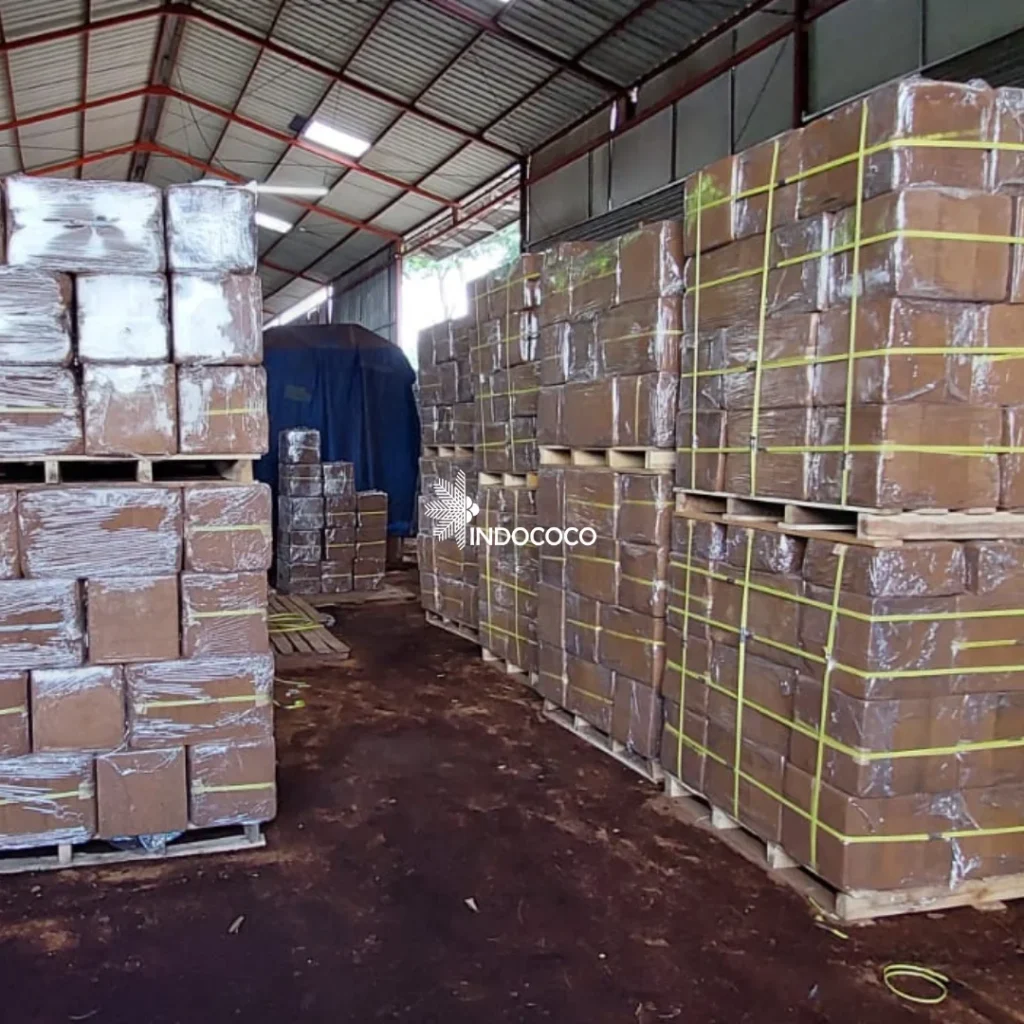
Australian agriculture faces unique challenges regarding water scarcity and soil quality. Farmers actively seek reliable growing substrates to maximize crop yield. Utilizing a high-grade cocopeat block low ec has revolutionized commercial horticulture across Australia. This natural coconut byproduct offers superior aeration and moisture retention. Low Electrical Conductivity (EC) ensures that delicate root systems absorb nutrients without salt stress.
Selecting the right growing medium is crucial for sustainable farming success. In this guide, we explore why washed coir peat outperforms traditional growing media.
What Makes Low EC Coir Peat Essential for Australian Horticulture?
Electrical Conductivity measures the level of dissolved salts within a substrate. Untreated coir naturally contains sodium and potassium ions from coastal environments. High salt levels can stunt plant development and cause severe root burn.
Washing processes remove these harmful excess sodium salts efficiently. The resulting washed coconut substrate provides a safe environment for young roots. Australian growers rely on this substrate for sensitive crops like berries and leafy greens.
Key advantages of using low EC washed coir include:
- Optimal Nutrient Absorption: Low salinity allows precise control over fertilizer delivery.
- Superior Water Retention: Holds up to eight times its weight in water.
- Excellent Root Aeration: High porosity prevents soil compaction and root rot.
- Environmentally Sustainable: Fully renewable alternative to natural peat moss supplies.
- Pest and Disease Free: Resistant to soil-borne pathogens and fungal infections.
Key Benefits of Sourcing from a Trusted Coir Peat Factory
Quality control is paramount when purchasing coconut coir substrates. Partnering with a reputable coir peat factory guarantees consistent salt levels and uniform compression. Professional processing involves washing, buffering, and sun-drying to achieve optimal growing parameters.
Commercial growers gain several strategic benefits:
- Guaranteed Low Salinity: Rigorous washing ensures EC levels remain below 0.5 mS/cm.
- Custom Blends: Flexible fiber ratios tailored for hydroponics or nursery pots.
- Purity Assurance: Strict sifting removes fine dust to preserve structural drainage.
- Reliable Bulk Supply: Steady shipping schedules ensure continuous supply for large operations.
How to Effectively Prepare and Hydrate Coir Blocks
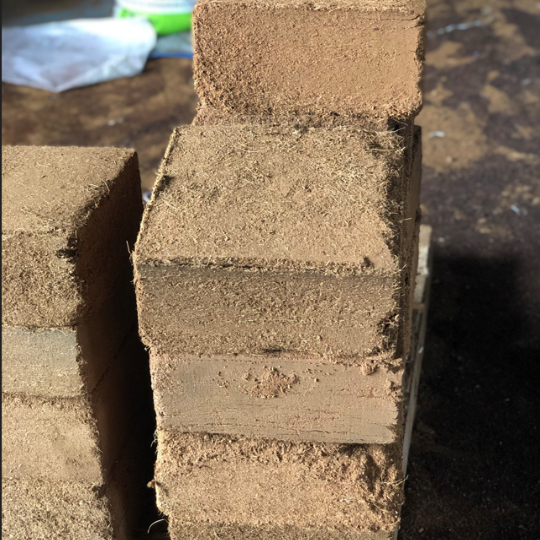
Proper hydration expands a compressed block up to five times its original volume. Following correct preparation steps maximizes drainage efficiency and aeration.
Step 1: Expansion and Soaking
Place the compressed block into a large container. Add clean water gradually to allow the fibers to absorb moisture evenly.
Step 2: Fluffing and Aeration
Once hydrated, gently break apart the block using your hands. This step ensures an even, light texture throughout the mix.
Step 3: Mixing and Potting
Mix hydrated material with extra drainage elements like perlite if necessary. You can explore versatile coir block options designed specifically for commercial nursery applications.
Maximizing Growth with Advanced Hydroponic Substrates
Hydroponic setups require substrates that offer fast drainage and high cation exchange. Using compressed washed coconut media provides a balance between air porosity and moisture holding capacity.
Australian growers using drip irrigation benefit significantly from coir pith. The material distributes moisture evenly across the entire root zone without pooling. To improve erosion control, many growers integrate a coco peat net for gardening to stabilize soil surfaces naturally.
Essential Best Practices for Long-Term Substrate Storage
Maintaining substrate quality before planting ensures optimal growing conditions for your crops. Store compressed coir blocks in a cool, dry area away from rain. Elevated pallet storage prevents moisture accumulation and keeps ambient humidity low.
Keep wrapped pallets sealed until you are ready for hydration. Following these simple storage steps preserves the physical integrity and low salinity over time.
Boosting Farm Efficiency and Crop Health
Using a premium cocopeat block low ec boosts plant vitality. Healthy roots lead to robust crops and increased market value. Australian commercial farms profit greatly from switching to clean, standardized coir substrates.
Modern irrigation systems function better when paired with low EC coir. Clogging risks decrease while nutrient absorption rates improve remarkably.
Boost Your Farm Productivity with Premium Organic Substrates
Integrating high-grade organic media into your agricultural operations drives healthier plant development. Choosing a verified cocopeat block low ec gives your crops the optimal foundation for growth. Elevate your farming efficiency today with sustainable coconut coir products tailored for Australian conditions.
Contact our team of experts to request custom specifications, sample testing, or bulk shipping details.
Contact Us:
- Phone / WhatsApp: +62 812-1233-3590 (Maria)
- Email: sales@arlion.co.id