
perlite uses have expanded significantly in recent years as industries and households increasingly seek lightweight, sustainable, and versatile materials for numerous applications. Derived from volcanic glass and processed through rapid heating, perlite has become an essential component in agriculture, construction, horticulture, and manufacturing. Growing awareness of efficient resource utilization and environmentally friendly materials has further increased its popularity worldwide. As a result, perlite uses continue to evolve, making this naturally occurring mineral one of the most valuable materials in modern industries.
Understanding Perlite and Its Characteristics
Perlite is a naturally occurring volcanic mineral that expands when exposed to high temperatures. During the expansion process, the material becomes lightweight and develops a porous structure, making it suitable for a wide range of applications.
The unique properties of perlite include low density, high insulation capability, chemical stability, and excellent water retention. These characteristics have contributed to the increasing number of perlite uses in both commercial and residential sectors.
Formation and Processing of Perlite
Perlite originates from volcanic rock that contains a relatively high amount of water. When heated to temperatures above 850 degrees Celsius, the trapped moisture vaporizes and causes the mineral to expand.
This expansion process creates a white, lightweight material that is easy to transport and use in different industries.
Unique Physical Properties
One of the key advantages of perlite is its porous structure. This allows it to retain moisture while maintaining excellent air circulation.
Its resistance to decay and chemical reactions also makes it a durable and reliable material for long-term applications.
Agricultural and Horticultural Applications
Among the most common perlite uses, agriculture and horticulture remain the largest sectors. Farmers and gardeners rely on perlite to improve soil structure and enhance plant growth.
Its ability to retain water while promoting aeration makes it especially useful for crops and ornamental plants.
Soil Improvement and Root Development
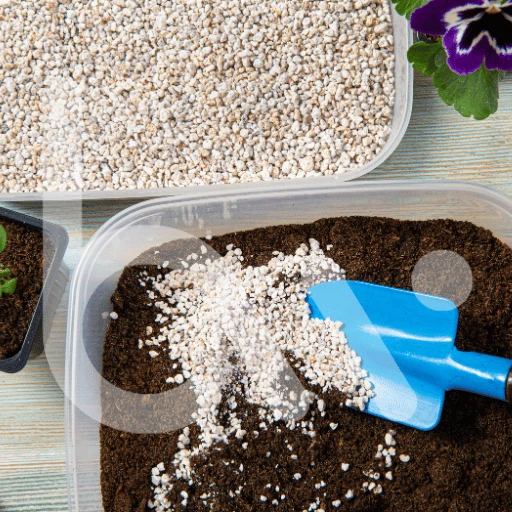
Perlite is often mixed with soil to improve drainage and prevent compaction. Healthy root systems require adequate oxygen, and perlite helps provide the necessary air spaces.
This contributes to stronger plants and better nutrient absorption.
Hydroponic and Greenhouse Systems
Modern farming methods increasingly utilize hydroponic systems, where plants grow without traditional soil. Perlite serves as an excellent growing medium due to its moisture retention properties.
Greenhouse operators also appreciate its lightweight nature and ability to maintain stable growing conditions.
Importance in Construction Industry
The construction sector represents another major area where perlite uses continue to grow. Builders and manufacturers use expanded perlite to create lightweight and energy-efficient materials.
Its thermal and acoustic insulation properties make it valuable in residential and commercial projects.
Lightweight Concrete Production
Expanded perlite is commonly added to concrete mixtures to reduce weight while maintaining structural integrity.
This helps lower transportation costs and improve building efficiency.
Thermal and Sound Insulation
Perlite is widely used as an insulating material because it can withstand high temperatures and reduce heat transfer.
Its sound-absorbing properties also contribute to quieter indoor environments.
Industrial and Manufacturing Applications
The versatility of perlite extends beyond agriculture and construction. Various manufacturing sectors have adopted this mineral for specialized purposes.
The increasing diversity of perlite uses demonstrates its importance in modern industrial development.
Filtration Systems
Perlite is widely used as a filtration aid in the food and beverage industry. It helps remove impurities during the processing of liquids such as juices, wine, and edible oils.
Its inert nature ensures that it does not alter the taste or quality of the products being filtered.
Cryogenic and High-Temperature Insulation
Industries handling extremely low or high temperatures rely on perlite for insulation purposes.
Its excellent thermal resistance makes it suitable for liquefied gas storage and industrial furnaces.
Environmental Benefits of Perlite
Environmental sustainability has become an important consideration in material selection. Many experts highlight the ecological advantages associated with perlite uses.
As a naturally occurring mineral, perlite offers several benefits that align with modern sustainability goals.
Non-Toxic and Chemically Stable
Perlite does not release harmful substances into the environment. Its chemical stability ensures safe usage in agriculture and industrial processes.
This characteristic makes it suitable for environmentally sensitive applications.
Efficient Resource Utilization
Because expanded perlite is lightweight, transportation requires less energy compared to heavier materials.
Its durability and long service life also contribute to reducing waste and conserving resources.
Role in Home Gardening and Landscaping
Home gardening enthusiasts increasingly recognize the benefits associated with perlite uses. The material is widely available and easy to incorporate into various gardening practices.
Its versatility makes it popular among both beginners and experienced growers.
Indoor Plant Care
Houseplants often require well-drained soil to prevent root rot. Mixing perlite into potting media improves aeration and moisture balance.
This promotes healthier growth and reduces maintenance issues.
Seed Starting and Propagation
Perlite provides a sterile environment that supports seed germination and plant propagation.
Its lightweight structure allows young roots to develop without excessive resistance.
Future Trends and Market Growth
The global market for perlite is expected to continue expanding due to increasing demand from multiple industries. Analysts predict that innovation and sustainability will drive future growth.
Consequently, perlite uses are likely to become even more diverse in the coming years.
Technological Advancements
Researchers are developing new ways to utilize perlite in advanced construction materials, environmental remediation, and energy-efficient technologies.
These innovations could further enhance the mineral’s commercial value.
Rising Demand for Sustainable Materials
Consumers and industries are increasingly prioritizing environmentally responsible solutions. Perlite fits well into this trend due to its natural origin and broad functionality.
As sustainability becomes a key focus worldwide, demand for perlite-based products is expected to rise steadily.
In conclusion, perlite uses encompass a broad range of industries, from agriculture and construction to filtration and home gardening. Its lightweight structure, insulation capabilities, and environmental benefits make it one of the most versatile minerals available today. With continued technological advancements and growing awareness of sustainable practices, perlite is expected to maintain its importance in global markets for years to come.
For further information, you may contact WhatsApp (+62) 812-1233-3590 (Ms. Maria) via https://wa.me/6281212333590 or via email at sales@arlion.co.id.

- Dried Chopped Taro Leaves: Essential Tips for Quality and Storage
- Dried Chopped Taro Leaves: Quality, Uses, and Practical Applications
- Natural Home Decor: Powerful Ideas for a Warm, Healthy, and Timeless Interior
- Wood Pellet Biomass: Powerful Benefits and Smart Applications for Cleaner Energy
- Premium Halaban Wood Charcoal: A Powerful Natural Choice for Better Cooking