
coconut oil antifungal properties have attracted significant global attention as more people seek natural alternatives to conventional antifungal treatments. The background of this growing interest is closely linked to increasing concerns about synthetic medications, side effects, and antimicrobial resistance. As awareness rises, natural remedies such as coconut oil are being explored for their effectiveness in supporting skin health and combating fungal infections.
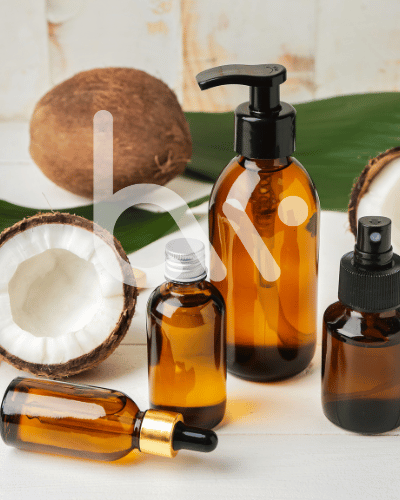
Understanding Coconut Oil Antifungal Properties
Coconut oil is derived from the meat of mature coconuts and is known for its rich composition of fatty acids. Among these, lauric acid plays a crucial role in its antifungal activity. When metabolized, lauric acid forms monolaurin, a compound that can disrupt the cell membranes of fungi and inhibit their growth.
The concept of coconut oil antifungal effectiveness is supported by its ability to create an unfavorable environment for fungal organisms. This makes it a popular natural option for addressing common fungal issues.
Key Active Compounds
The antifungal potential of coconut oil is primarily attributed to several bioactive components:
- Lauric acid
- Caprylic acid
- Capric acid
These medium-chain fatty acids work together to break down fungal cell walls and prevent the spread of infection. Their natural origin makes them appealing to individuals looking for gentler alternatives to chemical treatments.
Common Uses in Treating Fungal Conditions
Coconut oil antifungal applications are diverse and widely practiced in both traditional and modern wellness routines. It is commonly used as a topical treatment for various skin-related fungal infections.
Conditions where coconut oil is frequently applied include:
- Athlete’s foot
- Ringworm
- Yeast infections
- Nail fungus
Its moisturizing properties also help soothe irritated skin, making it a dual-purpose solution for both treatment and comfort.
Application Methods and Best Practices
To maximize effectiveness, coconut oil is typically applied directly to the affected area. It is important to clean and dry the skin before application to ensure proper absorption.
Recommended practices include:
- Applying a thin layer two to three times daily
- Using high-quality, unrefined coconut oil
- Maintaining hygiene to prevent reinfection
- Monitoring progress and consistency of use
These steps help enhance the benefits while minimizing the risk of recurring infections.
Scientific Perspective and Research Insights
Scientific research on coconut oil antifungal properties has shown promising results, although further studies are needed to fully establish its clinical effectiveness. Laboratory studies have demonstrated that coconut oil can inhibit the growth of certain fungal strains.
However, experts emphasize that while coconut oil can be beneficial for mild conditions, it should not replace medical treatment for severe infections. It is best used as a complementary approach rather than a sole solution in complex cases.
Advantages Compared to Conventional Treatments
Coconut oil offers several advantages when compared to synthetic antifungal medications:
- Lower risk of side effects
- Natural and chemical-free composition
- Additional moisturizing and skin-nourishing benefits
- Easy availability and affordability
These factors contribute to its growing popularity among health-conscious consumers.
Role in Skincare and Personal Care
Beyond treating infections, coconut oil antifungal properties make it a valuable ingredient in skincare and personal care products. It is often included in formulations designed to maintain healthy skin and prevent microbial growth.
Its ability to hydrate and protect the skin barrier enhances its usefulness in daily routines. Many individuals use coconut oil as a preventive measure against fungal issues, especially in humid climates where such conditions are more common.
Integration into Daily Routines
Coconut oil can be incorporated into personal care practices in several ways:
- As a natural moisturizer after bathing
- As a base ingredient in homemade skincare products
- As a protective layer for areas prone to moisture
- As part of a holistic wellness regimen
These applications highlight its versatility and practicality in everyday use.
Market Trends and Consumer Demand
The global market for natural health products has expanded significantly, and coconut oil antifungal solutions are part of this trend. Consumers are increasingly drawn to products that are sustainable, multifunctional, and free from harmful chemicals.
This demand has led to the development of a wide range of coconut oil-based products, including creams, balms, and therapeutic oils. Manufacturers are also focusing on organic and ethically sourced options to meet consumer expectations.
Challenges in the Industry
Despite its popularity, the coconut oil industry faces challenges such as quality inconsistency and misinformation about its benefits. Not all products labeled as coconut oil offer the same level of purity or effectiveness.
Additionally, over-reliance on natural remedies without proper guidance can lead to delayed treatment in serious cases. Therefore, consumer education remains essential.
Sustainability and Economic Impact
Coconut oil production supports the livelihoods of millions of farmers in tropical regions. Its growing demand contributes to economic development while promoting sustainable agricultural practices, coconut oil antifungal.
Coconut trees are renewable resources, and their cultivation has a relatively low environmental impact. By utilizing coconut-based products, industries can support eco-friendly initiatives and reduce reliance on synthetic materials.
Future Outlook
The future of coconut oil antifungal applications looks promising as research continues to explore its full potential. Advances in formulation and extraction techniques are expected to enhance its effectiveness and broaden its uses.
As consumers become more informed and health-conscious, the demand for natural solutions will likely continue to rise. Coconut oil is well-positioned to remain a key player in this evolving landscape.
In conclusion, coconut oil antifungal properties offer a natural, accessible, and versatile approach to managing fungal concerns. While it is not a substitute for medical treatment in severe cases, its benefits make it a valuable addition to modern health and wellness practices.
For further information, you may contact WhatsApp at (+62) 812-1233-3590 (Ms. Maria) or via email at sales@arlion.co.id

- Dried Chopped Taro Leaves: Essential Tips for Quality and Storage
- Dried Chopped Taro Leaves: Quality, Uses, and Practical Applications
- Natural Home Decor: Powerful Ideas for a Warm, Healthy, and Timeless Interior
- Wood Pellet Biomass: Powerful Benefits and Smart Applications for Cleaner Energy
- Premium Halaban Wood Charcoal: A Powerful Natural Choice for Better Cooking