
coco perlite mix ratio has become an important topic in modern horticulture as growers increasingly seek efficient and sustainable growing media for indoor farming, hydroponics, and commercial agriculture. The rising demand for controlled-environment cultivation and eco-friendly gardening practices has encouraged the use of alternative substrates that improve plant health and optimize water management. Coco coir and perlite are among the most widely used materials because they provide excellent aeration, moisture retention, and root support. As urban farming and greenhouse cultivation continue to expand globally, understanding the ideal substrate balance has become essential for successful plant production.
The Growing Importance of Soilless Cultivation
Modern agriculture has experienced significant changes over the past decade, particularly with the increasing popularity of hydroponics and indoor gardening systems. Traditional soil cultivation is gradually being complemented by soilless growing methods that offer better environmental control and resource efficiency.
One of the most discussed topics among growers is the ideal coco perlite mix ratio for various plant species and cultivation systems. The combination of coco coir and perlite creates a growing medium that supports healthy root development while reducing the risks associated with compacted soil.
This shift toward alternative growing media reflects broader agricultural trends focused on sustainability, water conservation, and productivity improvement.
Benefits of Coco Coir in Cultivation
Coco coir, derived from coconut husk fibers, has become increasingly popular in horticulture because of its natural and renewable characteristics.
Key benefits of coco coir include:
- High water retention capacity
- Excellent root aeration
- Sustainable and biodegradable material
- Resistance to compaction
These properties make coco coir an important component in creating an effective coco perlite mix ratio for different growing applications.
Understanding the Role of Perlite
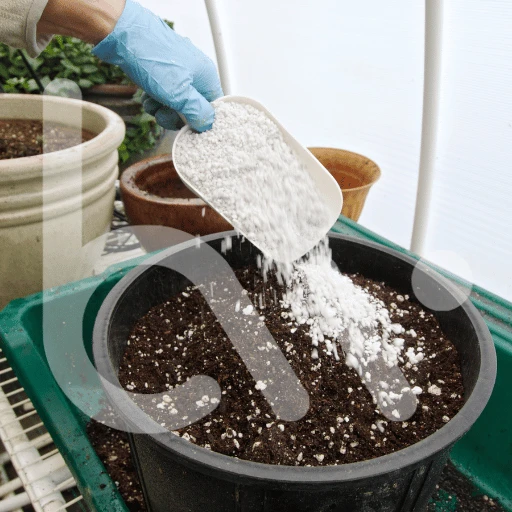
Perlite is a lightweight volcanic mineral commonly used in horticulture to improve drainage and airflow within growing media.
Why Perlite Is Widely Used
When heated at high temperatures, perlite expands into a porous material capable of retaining moisture while maintaining oxygen circulation around plant roots.
In horticultural systems, perlite contributes several advantages:
- Improved drainage performance
- Enhanced oxygen availability
- Prevention of root rot
- Reduction of substrate density
By combining perlite with coco coir, growers can create a balanced coco perlite mix ratio suitable for various crops and environmental conditions.
Supporting Root Development
Healthy root systems require both moisture and oxygen. Perlite helps prevent overwatering by allowing excess water to drain efficiently while maintaining sufficient air pockets in the growing medium.
Common Mix Ratios and Their Applications
Different crops and growing systems often require different substrate compositions.
Standard 70:30 Combination
One of the most commonly used ratios consists of 70 percent coco coir and 30 percent perlite. This balance provides strong moisture retention while still offering adequate drainage.
The 70:30 coco perlite mix ratio is widely recommended for vegetables, herbs, ornamental plants, and hydroponic systems.
Higher Perlite Content
Some growers prefer higher perlite percentages for plants that require faster drainage and increased root aeration. Ratios such as 60:40 may be suitable for certain flowering plants and drought-tolerant species.
Lower Perlite Content
In environments with lower humidity or warmer temperatures, growers may reduce perlite levels to increase water retention and minimize irrigation frequency.
Applications in Modern Agriculture
The use of coco and perlite mixtures has expanded significantly in both commercial and residential cultivation.
Hydroponic Farming
Hydroponic systems rely heavily on stable and well-drained growing media. A balanced coco perlite mix ratio helps maintain moisture consistency while supporting nutrient absorption.
Greenhouse Cultivation
Greenhouses often use soilless media to improve productivity and reduce soil-borne diseases. Coco-perlite blends are particularly popular because of their lightweight and reusable nature.
Urban Gardening and Indoor Plants
Home gardeners increasingly use coco and perlite mixtures for indoor plants, container gardens, and vertical farming systems due to their ease of handling and efficient water management.
Environmental and Sustainability Benefits
Sustainability has become a major concern in modern horticulture and agriculture.
Renewable and Eco-Friendly Materials
Coco coir is considered an environmentally friendly resource because it utilizes coconut husk waste that would otherwise be discarded.
The growing popularity of coco perlite mix ratio systems reflects increasing consumer interest in sustainable gardening solutions.
Reduced Water Consumption
Coco coir retains water effectively, helping reduce irrigation frequency and improve water-use efficiency in cultivation systems.
Lower Dependence on Traditional Soil
Soilless cultivation can reduce pressure on agricultural land and support food production in urban environments with limited farming space.
Challenges in Soilless Growing Media
Despite its advantages, using coco-perlite mixtures also presents certain challenges.
Nutrient Management
Coco coir can interact with calcium and magnesium levels, requiring growers to monitor nutrient balance carefully.
Cost and Availability
In some regions, high-quality coco coir and horticultural-grade perlite may be more expensive than traditional soil-based alternatives.
Moisture Monitoring
An incorrect coco perlite mix ratio may lead to either excessive moisture retention or insufficient hydration, depending on climate conditions and plant requirements.
Future Trends in Horticultural Media
Experts predict continued growth in soilless cultivation technologies as urban agriculture and controlled-environment farming expand worldwide.
Technological Innovations
Advanced irrigation systems and automated nutrient delivery technologies are improving the efficiency of hydroponic and greenhouse operations.
Expansion of Sustainable Agriculture
As sustainability becomes a global priority, renewable growing media such as coco coir are expected to gain even greater importance in commercial agriculture.
Increased Interest in Indoor Farming
Indoor cultivation systems are becoming more common in urban areas, creating stronger demand for lightweight and efficient growing substrates.
In this context, understanding the ideal coco perlite mix ratio will remain essential for growers seeking optimal plant performance.
Conclusion
coco perlite mix ratio plays a crucial role in modern horticulture by supporting healthy root development, efficient water management, and sustainable cultivation practices. The combination of coco coir and perlite offers growers a versatile and eco-friendly alternative to traditional soil systems. As hydroponics, greenhouse farming, and urban agriculture continue to expand globally, balanced growing media solutions are expected to remain at the center of future agricultural innovation.
For further information, you may contact WhatsApp at (+62) 812-1233-3590 (Ms. Maria) or via email at sales@arlion.co.id.
