
coco perlite mix has become one of the most widely used growing media solutions in modern agriculture due to the increasing demand for sustainable and efficient cultivation methods. As global food production continues to expand, growers are seeking alternatives to traditional soil-based farming that offer better water management, improved root development, and higher crop productivity. The growing popularity of hydroponics, greenhouse farming, and urban agriculture has further encouraged the adoption of innovative growing media. Among these solutions, coco perlite mix stands out for its ability to combine excellent water retention with superior aeration, making it suitable for a wide range of crops and growing environments.
The Rising Demand for Sustainable Growing Media
The agricultural sector is undergoing significant transformation as growers increasingly prioritize sustainability and resource efficiency. Traditional farming methods often face challenges related to soil degradation, water scarcity, and inconsistent crop performance.
In response to these challenges, growers are turning to alternative growing substrates that can improve cultivation outcomes while reducing environmental impact. A combination of coconut coir and perlite has emerged as a preferred choice because it provides an ideal balance between moisture retention and oxygen availability.
The increasing use of greenhouse systems and controlled-environment agriculture has also contributed to the popularity of coco perlite mix across global markets.
Why Growers Are Shifting to Soilless Cultivation
Several factors are driving the transition toward soilless growing systems:
- Improved control over plant nutrition
- Better water efficiency
- Reduced soil-borne diseases
- Consistent crop performance
- Enhanced root development
These advantages have encouraged commercial growers and hobby gardeners alike to adopt advanced growing media solutions.
Understanding Coco Coir and Perlite
To appreciate the effectiveness of this growing medium, it is important to understand the characteristics of its two main components.
Coconut Coir
Coconut coir is a natural byproduct derived from coconut husks. It has gained popularity due to its renewable nature and excellent water-holding capacity.
The fibrous structure of coir allows roots to access moisture while maintaining sufficient air pockets, which are essential for healthy plant growth.
Perlite
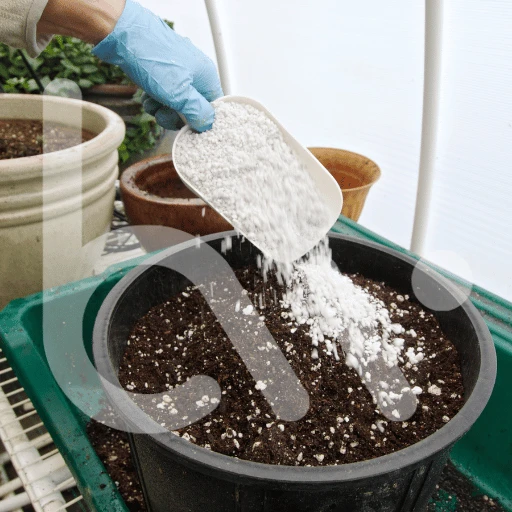
Perlite is a lightweight volcanic mineral that expands when heated. It is widely used in horticulture because of its exceptional aeration properties.
When incorporated into growing media, perlite improves drainage and prevents excessive water accumulation around plant roots.
The combination found in coco perlite mix brings together the strengths of both materials to create an optimized growing environment.
Benefits of Using Coco Perlite Mix
The popularity of this growing medium is largely attributed to its numerous practical advantages.
Excellent Water Retention
One of the primary benefits is its ability to hold moisture effectively. Coconut coir absorbs and retains water while gradually releasing it to plant roots.
This characteristic helps reduce irrigation frequency and promotes consistent plant hydration.
Improved Aeration
Perlite contributes significant air space within the growing medium. Adequate oxygen around roots supports nutrient uptake and healthy root expansion.
Better Root Development
Plants grown in well-aerated substrates often develop stronger and more extensive root systems. This contributes to improved growth rates and higher yields.
As a result, coco perlite mix is commonly recommended for both commercial agriculture and home gardening applications.
Applications in Modern Agriculture
This growing medium is used across various cultivation systems worldwide.
Hydroponic Farming
Hydroponic growers often use coco-perlite blends as a substrate for vegetables, herbs, and fruits. The material provides stability while allowing precise nutrient management.
Greenhouse Production
Commercial greenhouse operators appreciate the consistency and reliability of this growing medium.
Urban and Vertical Farming
Space-efficient farming systems require substrates that are lightweight and easy to manage. The properties of coco and perlite make them suitable for these innovative agricultural approaches.
The adaptability of coco perlite mix continues to support its growing adoption across different cultivation methods.
Environmental Advantages
Sustainability is a key factor influencing agricultural decisions today.
Renewable Raw Materials
Coconut coir is produced from coconut husks that were once considered agricultural waste. Utilizing this resource contributes to waste reduction and resource efficiency.
Reduced Soil Degradation
By supporting soilless cultivation, growers can reduce pressure on agricultural land and preserve soil quality.
Water Conservation
Efficient water retention helps reduce overall water consumption, making this growing medium particularly valuable in regions facing water shortages.
These environmental benefits have strengthened the reputation of coco perlite mix as a sustainable cultivation solution.
Factors Influencing Performance
Several variables affect the effectiveness of a growing medium.
Mixing Ratios
Different crops may require varying proportions of coir and perlite depending on their water and aeration needs.
Crop Type
Leafy greens, flowering plants, and fruiting crops often have different substrate requirements.
Irrigation Practices
Proper irrigation management is essential to maximize the benefits of any growing medium.
Understanding these factors helps growers achieve optimal results when working with coco perlite mix.
Global Market Growth
The market for horticultural growing media continues to expand due to increasing agricultural innovation.
Growth of Controlled-Environment Agriculture
Greenhouses and indoor farms are becoming more common as food production systems evolve.
Expansion of Organic Farming
Many growers are adopting environmentally friendly cultivation methods that align with consumer preferences for sustainable products.
International Trade Opportunities
Countries with abundant coconut resources are increasingly exporting processed growing media products to international markets.
The rising demand for coco perlite mix is creating significant opportunities for producers and suppliers worldwide.
Challenges and Future Developments
Despite its many benefits, the industry also faces several challenges.
Supply Chain Management
Maintaining a consistent supply of high-quality raw materials is essential for meeting market demand.
Quality Standardization
International buyers often require specific quality standards regarding moisture content, particle size, and cleanliness.
Technological Advancements
Manufacturers continue to invest in improved processing methods to enhance product consistency and performance.
As technology advances, coco perlite mix is expected to become even more efficient and widely available.
Future Outlook
Industry experts anticipate continued growth in the use of sustainable growing media over the coming years.
Increasing Agricultural Innovation
Advanced farming technologies are likely to increase demand for reliable substrates.
Rising Interest in Urban Farming
The expansion of urban agriculture will support further adoption of lightweight and efficient growing media.
Strong Demand for Sustainable Products
Consumers and growers alike are increasingly prioritizing environmentally responsible solutions.
These trends indicate a promising future for the global market surrounding coco perlite mix.
Conclusion
coco perlite mix has established itself as a valuable growing medium for modern agriculture by combining the water retention properties of coconut coir with the aeration benefits of perlite. Its versatility, sustainability, and effectiveness make it suitable for hydroponics, greenhouse cultivation, urban farming, and many other growing systems. As agricultural practices continue to evolve toward greater efficiency and environmental responsibility, this innovative growing medium is expected to play an increasingly important role in supporting global food production.
For further information, you may contact (+62) 812-1233-3590 (Ms. Maria) or via email at sales@arlion.co.id.