
Coco perlite has become an increasingly popular growing medium in modern agriculture and horticulture due to its ability to improve plant growth, water retention, and root aeration. As global demand for sustainable farming practices continues to rise, growers are searching for environmentally friendly alternatives to traditional soil-based cultivation. This trend has led to the widespread adoption of coco-based substrates combined with mineral additives such as perlite, which together create an efficient and balanced growing environment for various crops.
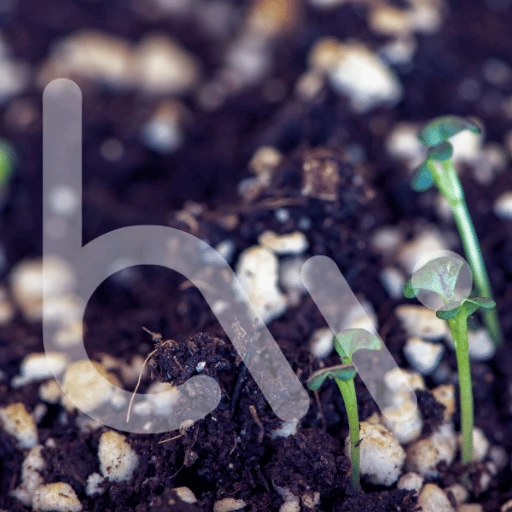
Understanding Coco Perlite and Its Composition
Coco perlite is a growing medium made by combining coconut coir with perlite, a naturally occurring volcanic mineral that expands when heated. Coconut coir is derived from coconut husks, while perlite is known for its lightweight structure and excellent drainage properties.
The combination of these two materials creates a medium that supports healthy root development and consistent moisture levels. Many commercial growers use this blend because it offers a balance between water retention and air circulation.
Coconut Coir as a Sustainable Material
Coconut coir is considered a renewable and eco-friendly material because it utilizes agricultural byproducts that would otherwise become waste. It has become a preferred alternative to peat moss in many agricultural systems.
Benefits of coconut coir include:
- High water-holding capacity
- Good resistance to decomposition
- Excellent root support
- Sustainable sourcing potential
Role of Perlite in Plant Cultivation
Perlite improves the physical structure of growing media by increasing porosity and reducing compaction. This helps roots receive adequate oxygen while preventing excessive water accumulation.
When combined in coco perlite mixtures, the result is a balanced medium suitable for both small-scale gardening and commercial greenhouse operations.
Applications in Agriculture and Horticulture
The use of coco perlite has expanded rapidly in various cultivation methods due to its versatility and effectiveness.
Greenhouse Production
Greenhouse growers commonly use this medium for vegetables such as tomatoes, cucumbers, peppers, and lettuce. The mixture allows precise control of nutrients and irrigation systems.
Because of its stable structure, coco perlite supports long production cycles while maintaining consistent root conditions.
Hydroponic Farming Systems
Hydroponic cultivation often requires substrates that can retain nutrients while allowing sufficient oxygen flow. This medium is widely used in hydroponic systems because it helps maintain ideal moisture balance.
Growers benefit from:
- Improved nutrient absorption
- Faster root development
- Reduced risk of root diseases
- Efficient water management
Home Gardening and Urban Farming
Urban gardeners and indoor plant enthusiasts also use coco perlite for container plants, herbs, and ornamental crops. Its lightweight nature makes it practical for rooftop gardens and limited-space farming systems.
Advantages Compared to Traditional Soil
Many farmers are shifting from traditional soil cultivation to alternative substrates due to the limitations associated with soil quality and disease management.
Better Drainage and Aeration
One of the primary advantages of coco perlite is its ability to prevent waterlogging while still retaining sufficient moisture. This creates healthier conditions for plant roots.
Reduced Soil-Borne Diseases
Unlike natural soil, soilless growing media can reduce the risk of pathogens and pests that commonly affect agricultural production.
Consistent Growing Conditions
Commercial agriculture requires stable and predictable growing environments. Coco perlite provides more consistent physical properties than many traditional soils.
Environmental and Economic Impact
The increasing use of sustainable growing media has both environmental and economic implications for agriculture worldwide.
Supporting Sustainable Agriculture
The use of coconut byproducts helps reduce agricultural waste and promotes circular economy practices. Additionally, growers can reduce dependence on non-renewable materials.
Coco perlite also contributes to more efficient water usage, which is especially important in regions facing water scarcity.
Expanding Market Opportunities
As demand for hydroponic farming and greenhouse cultivation increases, the market for growing substrates continues to expand. Producers and exporters are seeing rising opportunities in international trade.
Countries with strong coconut industries have a competitive advantage in supplying raw materials for substrate production.
Challenges in Production and Distribution
Despite its growing popularity, several challenges remain in the production and distribution of coco perlite products.
Quality Standardization
Different production methods can affect the quality and consistency of the final product. Proper washing, buffering, and processing are necessary to ensure reliable performance.
Transportation and Logistics
Because growing media products are often bulky, shipping costs can become a significant factor in international trade. Efficient packaging and logistics systems are important for maintaining competitiveness.
Market Competition
The industry also faces competition from other growing substrates such as peat moss, rockwool, and compost-based media. Producers must continue innovating to maintain market demand.
Future Trends in Growing Media Technology
Agricultural technology is evolving rapidly, and growing media innovation is expected to continue expanding in the coming years.
Integration with Smart Farming
Modern farming systems increasingly use automated irrigation and nutrient management technologies. Coco perlite is highly compatible with precision agriculture methods due to its predictable performance.
Rising Demand for Sustainable Products
Consumers and agricultural businesses are becoming more environmentally conscious, encouraging the use of renewable materials in food production systems.
As sustainability becomes a global priority, coco perlite is expected to remain an important component in future agricultural development.
Conclusion
Coco perlite represents a modern and sustainable solution for agricultural and horticultural cultivation. By combining the moisture retention properties of coconut coir with the aeration benefits of perlite, this growing medium supports healthier plants and more efficient farming systems. Its increasing use in hydroponics, greenhouse production, and urban agriculture highlights its importance in the future of sustainable food production worldwide.
For further information, you may contact WhatsApp at (+62) 812-1233-3590 (Ms. Maria) or via email at sales@arlion.co.id.
