
Interest in tobacco replacement products continues to grow as consumers explore alternatives to conventional tobacco. Some buyers are interested in plant-based materials, including dried chopped taro leaves, for commercial research and product development.
However, choosing a plant-based material requires careful consideration. Natural ingredients are not automatically safe for smoking or inhalation. Buyers must understand product specifications, intended applications, and potential health risks before making purchasing decisions.
This guide explains tobacco replacement materials, introduces dried chopped taro leaves, and outlines important considerations for businesses evaluating botanical products.
What Is Tobacco Replacement?
Tobacco replacement refers to materials or approaches intended to substitute for conventional tobacco in particular products or habits. The term covers different categories, depending on the intended use.
These alternatives may include:
- Nicotine replacement therapies designed to support smoking cessation.
- Non-tobacco botanical materials used in certain commercial products.
- Behavioral strategies that help people manage smoking triggers.
- Other products developed for specific industrial or consumer applications.
These categories are not interchangeable. A botanical material does not necessarily provide nicotine, reproduce tobacco’s effects, or help someone stop smoking.
People seeking to quit tobacco should consider evidence-based cessation support rather than assuming herbal substitutes offer equivalent benefits.
Understanding Dried Chopped Taro Leaves
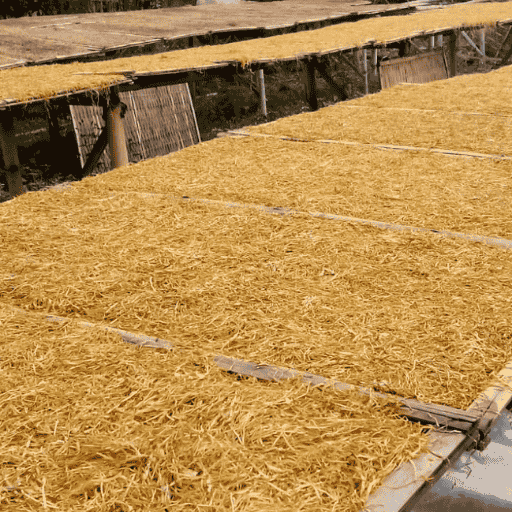
Dried chopped taro leaves come from the taro plant, scientifically known as Colocasia esculenta. The plant is widely recognized for its edible corms and leaves, which require appropriate preparation for food use.
Processing can involve harvesting, drying, and cutting leaves into smaller pieces. The resulting material may interest businesses investigating botanical raw materials for particular applications.
However, dried chopped taro leaves should not be considered a proven or safe tobacco substitute. Scientific evidence establishing their safety for smoking or inhalation remains insufficient.
Taro leaves also contain oxalates, including calcium oxalate crystals. These compounds can cause irritation when certain plant materials are handled or consumed improperly. Research documents substantial variation in taro leaf oxalate levels across cultivars. Research on taro leaf oxalate content provides additional information.
Drying alone does not establish that a material is safe for inhalation.
Key Factors When Evaluating Tobacco Replacement Materials
Businesses considering botanical materials should evaluate their intended application before selecting a supplier. Product appearance alone cannot establish quality or safety.
1. Raw Material Identification
Confirm the botanical identity and origin of the material. Accurate identification helps buyers distinguish the intended plant from similar species.
Request information about sourcing, harvesting practices, and traceability. These details support more consistent purchasing decisions.
2. Processing and Moisture
Drying conditions influence moisture levels, storage stability, and material characteristics. Buyers should request specifications describing the processing method and final moisture content.
Suitable storage conditions also matter. Excessive moisture can encourage deterioration and microbial growth during storage.
3. Cutting Size and Consistency
Chopped botanical materials can vary in particle size and uniformity. Clear specifications help suppliers and buyers agree on acceptable product characteristics.
Ask for representative samples when evaluating a product for a legitimate, appropriate application. Confirm that the material meets the requirements of that application.
4. Packaging and Storage
Packaging should protect the material from moisture, contamination, and physical damage. Buyers should also confirm the recommended storage conditions and shelf-life information.
For international purchases, review labeling, shipping arrangements, and applicable import requirements before placing an order.
Are Herbal Tobacco Alternatives Safer?
The word “herbal” describes a material’s origin, not its overall health risk. Burning plant matter produces smoke that may contain harmful substances, regardless of whether the original material contains tobacco.
The US Centers for Disease Control and Prevention explains that tobacco products carry health risks. Research into airborne particles also identifies potential respiratory concerns associated with inhaled combustion products. CDC research on particles in combustible products offers relevant scientific context.
For dried chopped taro leaves specifically, evidence is insufficient to establish a safe inhalation profile. Their traditional use as food does not demonstrate safety when burned and inhaled.
Important distinctions include:
- Food use: Some taro leaves are prepared for consumption using appropriate cooking methods.
- Botanical processing: Drying or chopping changes handling characteristics but does not prove inhalation safety.
- Combustion: Burning plant material creates a different exposure pathway from eating properly prepared food.
- Smoking cessation: Replacing tobacco with another combustible material is not an established cessation treatment.
Anyone seeking to stop smoking should consult a qualified healthcare professional about evidence-based options, including approved nicotine replacement therapies where appropriate.
Finding a Reliable Botanical Material Supplier
When sourcing botanical materials, buyers should prioritize transparency and product consistency. A reliable supplier should communicate clearly about specifications, packaging, and intended applications.
Before purchasing, consider this checklist:
- Verify the supplier’s business details and product description.
- Request available specifications and processing information.
- Clarify the botanical source and country of origin.
- Confirm packaging, minimum order quantities, and lead times.
- Discuss storage recommendations and quality documentation.
- Check applicable regulations for the destination market and intended use.
Businesses interested in available products can review dried chopped taro leaves for product information. Buyers should independently confirm suitability for their intended application.
For additional information about taro leaf materials, visit Indonesia Cocopeat’s dried taro leaves page. Product availability does not establish that a material is appropriate for smoking.
Making an Informed Tobacco Replacement Decision
Choosing a tobacco replacement requires more than comparing ingredients or product prices. Buyers should evaluate intended use, documented specifications, regulatory requirements, and available safety evidence.
Dried chopped taro leaves may be relevant to certain botanical material inquiries. Nevertheless, their safety for smoking has not been established, and they should not be promoted as a healthier alternative to tobacco.
If your business needs information about dried chopped taro leaves for an appropriate application, our team can help answer product inquiries and discuss available specifications.
Contact us for product information and commercial inquiries:
- WhatsApp: +62-812-1233-3590 (Maria)
- Email: sales@arlion.co.id