The search for a Taro leaves tobacco alternative reflects growing interest in plant-based materials. Some people explore dried leaves as possible substitutes for conventional tobacco. Taro leaves are among the materials receiving attention.
Taro (Colocasia esculenta) is a tropical plant cultivated across many regions. Its leaves have traditional culinary uses when properly prepared. They also contain nutrients and naturally occurring plant compounds.
However, using taro leaves as food differs significantly from inhaling their smoke. There is insufficient reliable scientific evidence establishing dried taro leaves as safe for smoking. Understanding this distinction is essential before considering any tobacco-related application.
This article explains taro leaf characteristics, traditional uses, processing considerations, and important health concerns.
Understanding Taro Leaves and Their Characteristics
Taro belongs to the Araceae plant family. It grows in tropical and subtropical environments, producing large, heart-shaped leaves.
Farmers cultivate taro for several purposes, including food production and agricultural applications. Different varieties may have variations in leaf size, color, and composition.
Some recognizable characteristics include:
- Broad, green, heart-shaped leaves.
- Prominent leaf veins.
- Naturally occurring calcium oxalate crystals.
- Suitability for certain traditional cooked dishes.
- Availability in fresh or processed forms.
Calcium oxalate crystals deserve particular attention. Raw taro leaves can cause irritation when handled or consumed improperly. Appropriate food preparation helps address this concern.
However, food preparation methods do not establish inhalation safety.
Can Taro Leaves Become a Tobacco Alternative?
Interest in a Taro leaves tobacco alternative generally comes from exploring plant-based materials. Some discussions mention dried leaves as potential cigarette ingredients.
Nevertheless, a plant’s natural origin does not automatically make it safe to smoke. Burning leaves produces smoke containing particles and chemical compounds.
These substances may affect respiratory health regardless of the original plant material.
There are several important distinctions:
1. Food use is different from inhalation
Taro leaves are traditionally consumed in properly prepared dishes. This culinary history does not demonstrate that inhaling their smoke is safe.
2. Plant composition requires careful evaluation
Different plant compounds can behave differently during combustion. Their effects through inhalation require specific scientific investigation.
3. Natural materials can still create harmful smoke
Combustion can release fine particles, carbon monoxide, and other potentially harmful substances.
Therefore, dried taro leaves should not be presented as a proven safe substitute for tobacco.
Dried Chopped Taro Leaves: Product Characteristics and Uses
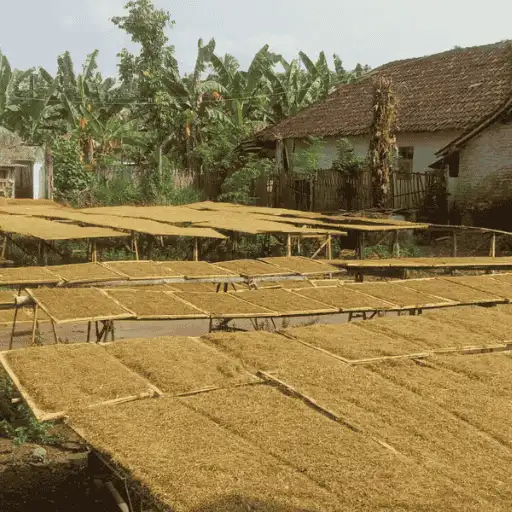
Dried chopped taro leaves are processed agricultural materials. Their appearance and quality depend on the raw materials, drying conditions, and handling procedures.
Common product characteristics may include:
- Reduced moisture compared with fresh leaves.
- Smaller pieces for easier packaging.
- Lower storage volume.
- Agricultural plant material suitable for specified applications.
Actual specifications depend on the supplier and production process. Buyers should request product information before making purchasing decisions.
Businesses interested in this material can explore dried chopped taro leaves products.
It is important to distinguish product availability from evidence of suitability for smoking. A supplier listing does not establish inhalation safety or medical approval.
Important Safety Concerns About Smoking Plant Leaves
Smoking any dried plant material involves combustion. The resulting smoke can contain substances that irritate or damage the respiratory system.
Several concerns deserve attention.
1. Exposure to Fine Particles
Burning plant materials produces airborne particles. Inhaled particles can enter the respiratory tract and contribute to irritation.
2. Carbon Monoxide Exposure
Incomplete combustion can generate carbon monoxide. This gas reduces the blood’s ability to transport oxygen.
3. Unknown Combustion Products
The chemical composition of smoke depends on plant material and burning conditions. Without reliable testing, exposure risks remain uncertain.
4. Limited Inhalation Research
Traditional food use does not provide sufficient evidence about smoking safety. Reliable inhalation toxicology research on taro leaf smoke remains insufficient.
For these reasons, taro leaves should not be recommended as a cigarette replacement. People seeking to stop smoking should consider evidence-based cessation support from qualified healthcare professionals.
How to Evaluate Dried Taro Leaf Products
For legitimate agricultural or other specified applications, buyers should evaluate product quality carefully.
Consider these factors:
- Raw material identification: Confirm the plant species and source.
- Moisture information: Request documented moisture specifications.
- Physical condition: Check cleanliness, color, and consistency.
- Packaging: Review protection against moisture and contamination.
- Supplier documentation: Request available product specifications and quality records.
These checks help buyers understand what they are purchasing. They do not establish that a product is suitable for smoking.
For additional product information, readers can visit Indonesia Cocopeat’s dried taro leaves page.
You can also read our related discussion about taro leaves and cigarette alternatives for further context.
Why Responsible Information Matters
Interest in alternative plant materials should always be supported by accurate information. Consumers deserve clear distinctions between traditional uses, commercial availability, and scientifically established safety.
Manufacturers and suppliers also have an important responsibility. Product descriptions should communicate intended applications without making unsupported health claims.
Responsible communication helps prevent misunderstandings. It also supports better decisions among consumers, distributors, and business partners.
Conclusion: Understand the Facts Before Choosing an Alternative
Taro leaves have established traditional culinary uses when properly prepared. Dried chopped taro leaves are also available as processed agricultural materials.
However, current evidence does not establish taro leaves as a safe tobacco alternative. Smoking plant material can expose users to harmful combustion products. Natural ingredients should never be assumed safe for inhalation.
If you are interested in dried chopped taro leaves for appropriate applications, contact our team for product information and availability. Our team can help answer your questions and discuss your business requirements.
Contact Us:
- Maria: +62-812-1233-3590 (WhatsApp)
- Email: sales@arlion.co.id