Interest in herbal products has encouraged consumers to explore alternatives to conventional tobacco. One topic attracting attention is the taro leaves cigarette concept. It involves questions about dried taro leaves, plant processing, and their potential applications.
Taro is a tropical plant cultivated across many regions. Its leaves are commonly used in traditional cooking after appropriate preparation. They are also agricultural materials that can undergo drying and size reduction.
However, using taro leaves for smoking raises different safety concerns. A plant suitable for certain food applications is not automatically safe to burn or inhale. Understanding these differences is essential for consumers and businesses.
What Is a Taro Leaves Cigarette?
The term taro leaves cigarette generally refers to the concept of using dried taro leaves as a tobacco alternative in smoking products.
Taro leaves come from Colocasia esculenta, a tropical plant known for its broad green foliage. The plant is widely cultivated in Asia, Africa, and the Pacific.
In traditional cuisines, properly cooked taro leaves appear in various dishes. Preparation is important because raw taro tissues can contain calcium oxalate crystals.
These crystals can cause irritation when raw plant material contacts the mouth or throat. Cooking practices help reduce certain risks associated with food consumption.
However, evidence about properly prepared food does not establish inhalation safety. Smoking involves combustion and exposes the respiratory system to substances produced by burning.
Why Are Taro Leaves Considered for Herbal Products?
Several factors may explain interest in taro leaves as an alternative plant material.
- Agricultural availability: Taro grows in many tropical agricultural regions.
- Plant-based composition: Some businesses investigate different botanical materials for product development.
- Processing potential: Leaves can undergo drying, chopping, and packaging.
- Agricultural utilization: Processing may create additional commercial opportunities for suitable plant materials.
These factors explain commercial interest, not proof of smoking safety.
Natural materials can still produce harmful substances when burned. Therefore, the term herbal should never be interpreted as harmless.
Understanding Dried Chopped Taro Leaves
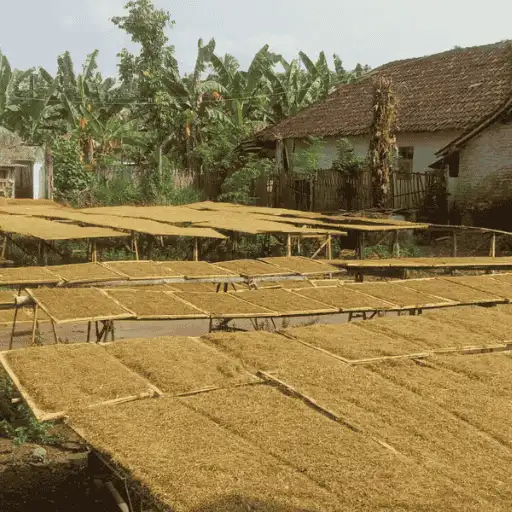
Dried chopped taro leaves are processed agricultural materials made by drying and reducing taro leaves into smaller pieces.
Their physical characteristics depend on raw material quality, processing conditions, and storage practices.
Important product characteristics include:
- Leaf quality: Freshness and cleanliness influence the final material.
- Moisture content: Controlled drying helps support appropriate storage.
- Particle size: Cutting specifications depend on the intended application.
- Color and appearance: These characteristics can indicate processing consistency.
- Packaging: Suitable packaging protects products against moisture and contamination.
Businesses sourcing these materials should request product specifications before purchasing.
You can explore available products through our dried chopped taro leaves product page.
The product’s intended application should always be confirmed with the supplier. Agricultural processing specifications do not establish suitability for smoking.
Is Smoking Taro Leaves Safe?
There is currently insufficient reliable evidence to establish that smoking taro leaves is safe.
This distinction is important because food consumption and inhalation involve different exposure pathways.
Several considerations deserve attention.
1. Calcium Oxalate Content
Raw taro leaves can contain calcium oxalate crystals. These naturally occurring structures are associated with irritation from improperly prepared plant tissues.
The effects of drying, heating, and combustion require separate scientific assessment. Their presence alone does not establish a specific inhalation risk.
2. Harmful Combustion Products
Burning plant materials produces smoke containing potentially harmful substances.
These may include:
- Carbon monoxide.
- Fine particulate matter.
- Irritating gases.
- Other compounds formed during incomplete combustion.
The exact composition depends on the material and burning conditions. Smoke exposure can affect respiratory health, regardless of whether the original material contains tobacco.
3. Lack of Inhalation Research
Reliable research specifically evaluating smoked taro leaves remains insufficient.
Without appropriate toxicological studies, manufacturers cannot responsibly claim that these materials provide a safe smoking alternative.
Consumers seeking to stop smoking should consider evidence-based cessation support instead of experimenting with untested herbal products.
Important Quality Factors for Dried Taro Leaves
Businesses purchasing dried agricultural leaves should evaluate quality carefully.
Consider these factors:
- Botanical identification: Confirm that the material comes from the intended taro species.
- Cleanliness: Check for soil, foreign objects, and visible contamination.
- Moisture control: Request suitable moisture specifications.
- Mold prevention: Review drying, packaging, and storage conditions.
- Particle consistency: Confirm cutting dimensions for the intended process.
- Supplier documentation: Request relevant product information and quality records.
These checks help businesses assess agricultural material quality. They do not replace specialized testing required for inhalation applications.
For additional information, read our article about tobacco replacement alternatives.
You can also explore our related dried taro leaves product information.
Responsible Applications and Product Development
Taro leaves have established culinary and agricultural relevance. Their processed forms may also interest businesses exploring botanical raw materials.
Responsible product development should include:
- Identifying the botanical source.
- Establishing raw material traceability.
- Monitoring drying and storage conditions.
- Testing moisture and contamination levels.
- Defining application-specific quality standards.
- Reviewing applicable regulations.
Any proposed smoking application requires dedicated inhalation toxicology research. Food-grade quality alone is not sufficient evidence of safety.
Conclusion: Understand the Risks Before Choosing Herbal Alternatives
The taro leaves cigarette concept highlights growing interest in botanical materials and tobacco alternatives. However, interest does not establish product safety or suitability.
Dried chopped taro leaves can be evaluated as agricultural materials for appropriate applications. Their potential use in smoking products remains scientifically unverified.
Consumers and businesses should prioritize reliable information, responsible sourcing, and appropriate safety assessments.
Contact Us for Dried Chopped Taro Leaves Information
Are you looking for dried chopped taro leaves for agricultural or other suitable processing applications? Our team can help provide product information and discuss your sourcing requirements.
Contact Maria to learn more about product availability and specifications.
WhatsApp: +62-812-1233-3590
Email: sales@arlion.co.id