
coco peat making machine plays a vital role in the global agricultural supply chain as the demand for sustainable and efficient growing media continues to increase. The background of this development is closely connected to environmental concerns, the large volume of coconut waste generated in tropical countries, and the growing need for reliable technology to transform agricultural by-products into high-value materials for horticulture and commercial farming.
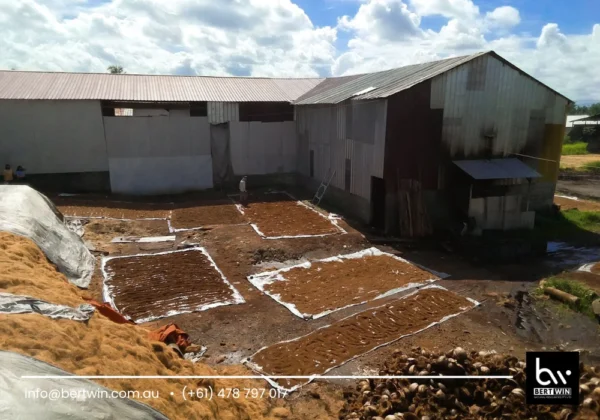
Background of Coco Peat Production
Coco peat, also known as coir pith, is produced from coconut husks that remain after fiber extraction. For many years, these husks were treated as waste and often disposed of through burning or dumping, causing environmental pollution. As awareness of sustainability grew, researchers and agricultural practitioners began to recognize the potential of coco peat as an organic planting medium.
Its ability to retain water, improve soil aeration, and support root development has made coco peat popular in nurseries, greenhouses, and hydroponic systems. This growing demand created the need for standardized processing methods that could deliver consistent quality in large volumes. As a result, mechanized processing became essential to meet both domestic and international market requirements.
Function and Importance of Processing Machinery
Modern coco peat production relies heavily on machinery to ensure efficiency and uniformity. A coco peat making machine is designed to handle several critical stages, including crushing raw husks, screening particles, washing to reduce impurities, drying to achieve suitable moisture levels, and compressing the final product into blocks or bales.
These mechanized processes significantly reduce manual labor while improving production speed. Consistency is especially important for export markets, where buyers require strict specifications related to moisture content, texture, and cleanliness. Machinery helps producers meet these standards more reliably than traditional methods.
Improving Production Efficiency
One of the main advantages of using machinery is increased efficiency. Automated systems allow continuous operation, enabling manufacturers to process large quantities of raw material within a shorter timeframe. This efficiency is crucial as global demand for coco peat continues to rise alongside greenhouse farming and soilless agriculture.
In addition, mechanization reduces material loss during processing. By optimizing each stage, producers can maximize output from available raw materials, supporting both profitability and sustainability.
Role in Sustainable Agriculture
Coco peat is widely recognized as an environmentally friendly alternative to peat moss, whose extraction has raised ecological concerns in several countries. By using coconut by-products, the industry contributes to waste reduction and supports circular economy principles.
The coco peat making machine supports this sustainability goal by ensuring that coconut husks are processed efficiently and responsibly. Many modern machines are engineered to reduce energy consumption and optimize water use, particularly during the washing stage. Some systems even allow water recycling, further minimizing environmental impact.
Supporting Global Food Production
As arable land becomes more limited and climate variability increases, controlled-environment agriculture is gaining importance. Coco peat is a key component in these systems because of its stability and compatibility with various crops. Reliable processing technology ensures that growers receive consistent growing media, which is essential for predictable yields and quality.
This reliability strengthens the connection between agricultural producers and global food supply chains, particularly in regions that depend on imported growing media.
Economic Impact on Producing Regions
The adoption of processing technology has significant economic implications, especially in coconut-producing countries. By investing in machinery, producers can move beyond selling raw coconuts and participate in higher-value markets. This shift supports rural development and creates employment opportunities in processing, quality control, and logistics.
Small and medium enterprises also benefit from access to scalable machinery. Modular systems allow businesses to expand capacity gradually, making entry into the coco peat market more accessible. Governments and development organizations often promote such investments as part of broader agricultural modernization programs.
Strengthening Export Competitiveness
Export-oriented producers face intense competition and strict quality requirements. Mechanized processing improves product consistency, packaging efficiency, and compliance with international standards. This strengthens competitiveness in markets such as Europe, the Middle East, and East Asia, where demand for sustainable growing media continues to grow.
Technological Development and Innovation
Advances in engineering have led to more compact, efficient, and user-friendly machines. Manufacturers are integrating automated controls, improved screening systems, and better drying technologies to enhance overall performance. These innovations help reduce downtime and maintenance costs.
The coco peat making machine is also evolving to accommodate different product formats, including loose coco peat, grow bags, and compressed blocks. This flexibility allows producers to serve diverse market segments without investing in entirely separate production lines.
Quality Control and Standardization
Quality control is a critical aspect of coco peat production. Mechanized systems enable precise monitoring of parameters such as particle size and moisture level. This precision helps producers maintain consistency across batches, which is essential for building long-term relationships with buyers.
Standardization also simplifies certification processes and documentation, making it easier for exporters to comply with regulatory requirements in importing countries.
Challenges and Practical Considerations
Despite its benefits, mechanized processing requires coco peat making machine careful planning. Initial investment costs can be significant, particularly for small operators. However, industry experts note that long-term gains in efficiency, quality, and market access often outweigh these costs.
Raw material availability is another consideration. Coconut supply can be affected by seasonal factors and weather conditions. Efficient machinery helps mitigate these challenges by maximizing output from available inputs and reducing waste.
Training and Operational Skills
Successful operation of processing coco peat making machine equipment depends on skilled personnel. Training programs and technical support are therefore essential to ensure optimal performance and longevity of machinery. Many suppliers now offer after-sales services to assist producers in maintaining efficient operations, coco peat making machine.
Future Outlook
The global coco peat market is expected to continue expanding as sustainable agriculture gains momentum. Technological innovation will play a key role in meeting this demand, particularly through more energy-efficient and adaptable machinery.
As awareness of environmental responsibility increases, producers who invest in reliable processing technology are likely to be better positioned for long-term success. The coco peat making machine will remain a central component in transforming agricultural waste into valuable resources that support modern farming systems, coco peat making machine.
Conclusion
The transformation of coconut husks into a widely used growing medium highlights the importance of technology in sustainable agriculture. By enabling efficient, consistent, and environmentally responsible production, processing machinery supports both economic development and global food systems. The coco peat making machine stands as a key solution for producers seeking to meet rising demand while adhering to quality and sustainability standards.
For further information coco peat making machine, you may contact WhatsApp at (+61) 478797017 or via email at info@bertwin.com.au.