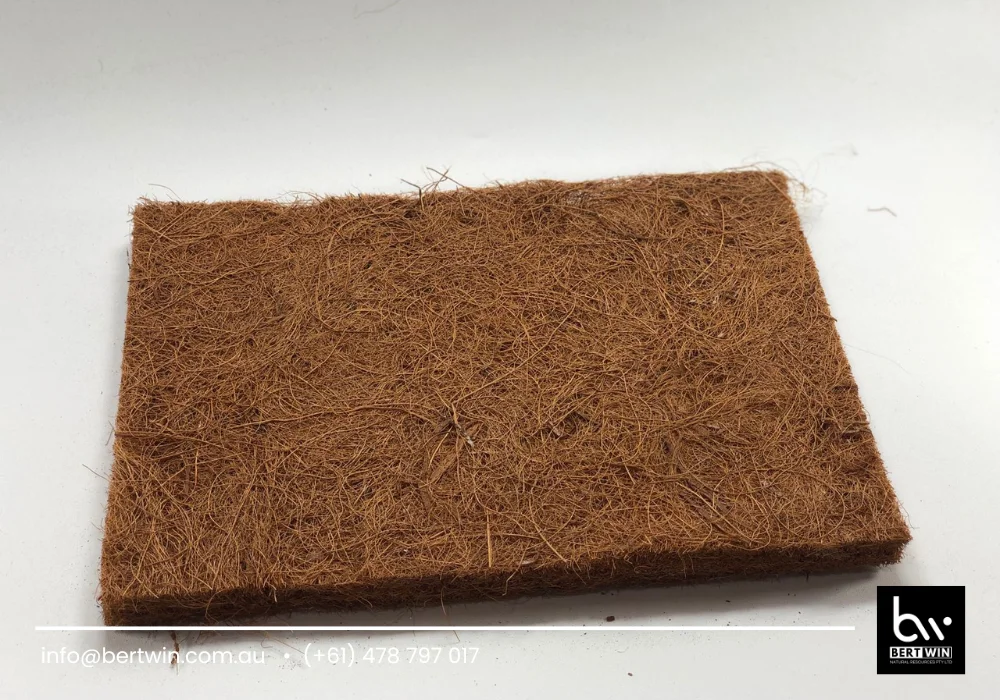
coir door mats are increasingly highlighted in discussions about sustainable home products as global awareness grows around environmentally responsible materials. The background of this trend is closely linked to rising concerns over plastic waste, synthetic flooring products, and the need for natural alternatives that are durable, functional, and environmentally friendly.
In recent years, informative reports from lifestyle, construction, and interior design sectors have shown that natural fiber products are no longer niche items. Instead, they are becoming mainstream choices for households, offices, and commercial buildings seeking practical solutions with a lower environmental footprint.
Understanding Coir Door Mats and Their Origins
Coir is a natural fiber extracted from coconut husks, a byproduct of the coconut industry. For decades, coconut husks were treated as waste, but technological advancements have transformed them into valuable raw materials for various applications, including matting.
From Coconut Husk to Finished Product
The production process begins with collecting mature coconut husks, which are then soaked, separated, and processed into fibers. These fibers are cleaned, dried, and spun into yarns or pressed into dense forms suitable for mat production.
Informative industry sources explain that this process requires relatively low energy compared to synthetic alternatives. As a result, coir door mats are often cited as products that support circular economy practices by turning agricultural waste into functional goods.
Functional Benefits for Homes and Buildings
One of the main reasons coir door mats are widely used is their effectiveness in trapping dirt, dust, and moisture. The coarse texture of coir fibers allows them to scrape debris from shoes efficiently, helping maintain cleaner indoor environments.
In residential settings, these mats are commonly placed at entrances to reduce indoor cleaning efforts. In commercial spaces, they help maintain hygiene standards while providing a natural aesthetic that aligns with eco-conscious branding.
Durability and Weather Resistance
Coir fibers are naturally strong and resilient. Informative material testing reports show that coir-based products can withstand heavy foot traffic without losing their structural integrity.
Additionally, coir fibers have natural resistance to moisture and microbial growth, making them suitable for both indoor and semi-outdoor use. This durability contributes to a longer product lifespan, reducing the need for frequent replacement.
Aesthetic Value and Design Flexibility
Beyond functionality, coir door mats are appreciated for their natural appearance. Their earthy tones and textured surfaces complement various architectural and interior styles, from rustic to modern.
Manufacturers now offer a wide range of designs, sizes, and patterns. Some mats feature minimalist looks, while others include decorative prints or customized branding, especially for commercial clients.
Customization for Branding and Decor
In hospitality and retail sectors, coir door mats are often customized with logos or messages. Informative business reports highlight that such customization enhances brand visibility while reinforcing a company’s commitment to sustainability.
This flexibility allows coir-based products to serve both practical and marketing purposes without compromising environmental values.
Environmental Advantages Compared to Synthetic Mats
Environmental considerations play a significant role in the growing popularity of coir door mats. Synthetic mats are typically made from petroleum-based materials that are not biodegradable and contribute to long-term waste accumulation.
By contrast, coir fibers are biodegradable and renewable. Coconut trees continue to produce fruit for decades, ensuring a steady supply of raw materials without the need for deforestation.
Contribution to Sustainable Supply Chains
The use of coconut husks supports farming communities in tropical regions. Informative economic analyses indicate that value-added coir products create additional income opportunities for farmers and small-scale processors.
This supply chain model promotes inclusive economic growth while encouraging responsible resource utilization.
Maintenance and Practical Use Considerations
Maintaining coir door mats is relatively simple. Regular shaking or brushing removes accumulated dirt, while occasional sun drying helps reduce moisture buildup.
Experts advise avoiding prolonged exposure to standing water, as excessive moisture can shorten the lifespan of natural fibers. With proper care, these mats can remain functional and visually appealing for extended periods.
Reusability and End-of-Life Disposal
Another advantage frequently mentioned in informative articles is end-of-life disposal. When a coir mat is no longer usable, it can be composted under suitable conditions, returning organic matter to the soil.
This contrasts sharply with synthetic mats, which often end up in landfills and contribute to environmental pollution.
Market Trends and Global Demand
Global demand for coir-based products continues to rise, driven by sustainability policies and consumer preferences. Markets in Europe, Australia, and parts of Asia show increasing imports of coir door mats for residential and commercial use.
Trade reports suggest that buyers prioritize consistent quality, ethical sourcing, and compliance with international standards. Suppliers who invest in quality control and transparent production processes are more competitive in the global market.
Innovation in Product Development
Innovation is also shaping the industry. Some manufacturers are combining coir with other natural materials to enhance softness or improve grip. Others are experimenting with eco-friendly dyes and treatments to expand design options.
These developments demonstrate that coir door mats are evolving products, not static traditional items.
Choosing the Right Coir Door Mat
Selecting the right mat depends on factors such as location, foot traffic, and aesthetic preference. Thicker mats are suitable for high-traffic areas, while lighter designs work well for residential entrances.
Consumers are encouraged to consider fiber density, backing material, and overall craftsmanship when making a purchase. Informative buying guides emphasize that quality directly affects durability and performance.
Conclusion
Coir door mats represent a balance between practicality, aesthetics, and environmental responsibility. Their natural origin, durability, and versatility make them suitable for a wide range of applications, from private homes to commercial spaces.
As sustainability becomes a central consideration in product choices, coir door mats are expected to remain relevant and increasingly popular. They offer a clear example of how traditional materials can meet modern needs while supporting environmental and social goals.
For further information, you may contact WhatsApp at (+61) 478797017 or via email at info@bertwin.com.au.