
Coco peat net has become an increasingly popular material in modern agriculture and landscaping as growers look for environmentally friendly solutions for plant cultivation and soil protection. As awareness of sustainable farming practices continues to grow, natural products derived from coconut byproducts are gaining attention around the world. Among these innovations, coco peat combined with natural net structures offers an effective method for supporting plant growth, improving soil stability, and reducing environmental impact.
Background of Coco-Based Agricultural Materials
The development of eco-friendly agricultural materials has become an important focus in recent years. Traditional farming and landscaping practices often relied on synthetic products that can harm soil health or take many years to decompose. In contrast, organic materials derived from natural resources provide a more sustainable alternative.
Coconut processing produces several useful byproducts, including coconut fiber and coco peat. Coco peat is a fine material obtained from the husk of coconuts and is widely known for its excellent water retention and soil conditioning properties. When integrated with a natural mesh structure, the result is a coco peat net that can be applied in various horticultural and environmental applications.
This innovation allows farmers, landscapers, and environmental engineers to utilize renewable materials while improving plant cultivation systems. As global demand for sustainable agriculture grows, products made from coconut-based materials are becoming more widely adopted.
What Is Coco Peat and How Is It Produced?
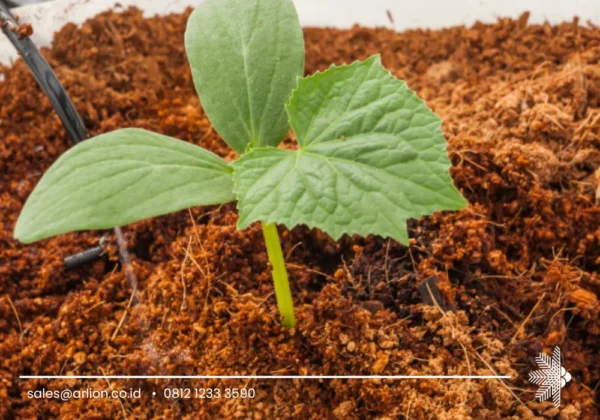
Coco peat is a natural organic material derived from coconut husks, which are a byproduct of the coconut industry. During processing, the husks are separated into fibers and fine particles. The fine particles form coco peat, a soft, soil-like material that is commonly used as a growing medium.
Because coconuts are produced in large quantities in tropical countries, coco peat is widely available and considered a renewable resource. Instead of being discarded as waste, the husks can be processed into useful agricultural products.
Characteristics of Coco Peat
Coco peat is valued for its ability to retain moisture while still allowing proper air circulation around plant roots. This balance of water retention and aeration makes it an excellent component in potting mixes, hydroponic systems, and soil improvement products.
Another important characteristic is its neutral pH level, which makes it suitable for growing a wide range of plants. Additionally, coco peat decomposes slowly, providing long-lasting support for plant roots without compacting quickly.
When integrated into a mesh structure such as a coco peat net, these properties become even more useful for erosion control and plant stabilization.
Understanding Coco Peat Net Applications
A coco peat net is typically created by combining coco peat with natural fiber nets or biodegradable mesh materials. The net structure helps hold the coco peat in place while allowing plants to grow through the material.
This system is often used in environmental restoration projects, landscaping, and agricultural planting areas where soil stability is important.
Soil Erosion Control
One of the most common applications of coco peat net is erosion control. Slopes, riverbanks, and coastal areas are particularly vulnerable to soil erosion caused by wind, rain, or water flow.
By placing a coco peat net on the soil surface, the material acts as a protective layer that helps stabilize the ground. The net structure prevents soil from being washed away while the coco peat provides a supportive medium for plant growth.
As plants begin to grow through the net, their roots further strengthen the soil structure, creating a natural and long-lasting erosion control solution.
Supporting Plant Growth
Another key benefit is its ability to support plant establishment in challenging environments. Newly planted vegetation often struggles to survive in poor soil conditions or exposed areas.
The coco peat net helps create a microenvironment that retains moisture and protects young roots. This allows plants to develop stronger root systems during the early stages of growth.
Because the material is biodegradable, it gradually breaks down over time, leaving behind organic matter that enriches the soil.
Advantages of Using Coco Peat Net
The growing popularity of natural agricultural products has highlighted several advantages associated with coco-based materials. These benefits contribute to the increasing adoption of products such as coco peat net in landscaping and environmental projects.
Environmentally Friendly Material
One of the most important advantages is sustainability. Coconut husks are a renewable resource that would otherwise become agricultural waste. By converting them into useful products, industries can reduce waste while creating environmentally responsible materials.
Unlike synthetic erosion control products made from plastic, coco-based materials naturally decompose over time. This reduces long-term environmental pollution and eliminates the need for removal after installation.
Improved Soil Health
Organic materials contribute positively to soil ecosystems. As coco peat decomposes, it adds organic matter to the soil, which improves soil structure and encourages beneficial microorganisms.
Healthy soil ecosystems are essential for plant growth because they support nutrient cycling and root development. Over time, the presence of organic matter helps create more fertile soil conditions.
Versatile Agricultural Use
Another advantage of coco peat net is its versatility. It can be used in agriculture, landscaping, urban gardening, and environmental restoration projects.
For example, it can be installed in garden beds, green roofs, roadside landscaping, or degraded land restoration sites. The flexibility of the net structure allows it to adapt to different terrain conditions.
Role in Sustainable Agriculture
Sustainable agriculture focuses on maintaining long-term soil productivity while minimizing environmental harm. Natural materials derived from renewable resources play an important role in achieving these goals.
The use of coco peat net aligns with sustainable farming principles because it promotes soil conservation, reduces reliance on synthetic materials, and encourages natural plant growth processes.
Supporting Green Infrastructure
Cities around the world are increasingly investing in green infrastructure projects, including urban gardens, green roofs, and ecological restoration programs. These initiatives aim to improve environmental quality while enhancing urban landscapes.
Natural materials like coco peat products help support these projects by providing biodegradable solutions that integrate well with natural ecosystems.
Future Potential of Coco-Based Products
As research continues in sustainable agriculture and environmental engineering, coconut-based materials are expected to play a larger role in global agricultural systems. Their abundance, biodegradability, and functional properties make them suitable for a wide range of applications.
The continued development of products like coco peat net demonstrates how agricultural waste can be transformed into valuable resources. By combining natural fibers with innovative design, these materials help address environmental challenges while supporting productive plant growth.
With increasing demand for eco-friendly agricultural solutions, coco-based materials are likely to remain an important part of sustainable farming and landscaping practices in the future.
For further information, you may contact WhatsApp at (+61) 478797017 or via email at info@bertwin.com.au.