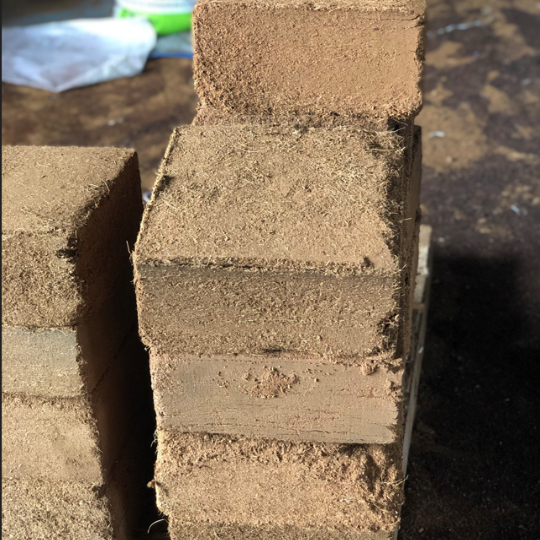
Coco peat low ec blocks have become a strategic focus in the international horticulture and agricultural sectors as demand rises for cleaner, more efficient, and sustainable growing media. Over the past decade, major shifts in farming technology, climate change concerns, and pressure to adopt eco-friendly cultivation systems have reshaped the global market landscape. This context has pushed governments, commercial growers, and export manufacturers to increase research and large-scale production of coco peat low ec blocks, which offer stability, consistency, and high performance for nursery and greenhouse operations around the world.
Worldwide Expansion of Sustainable Growing Media
Increasing Recognition of Low-EC Standards
The adoption of coco peat low ec blocks has accelerated globally because growers are prioritizing substrates with stable electrical conductivity (EC) levels. High-quality low-EC coco peat helps prevent nutrient imbalances, reduces seedling stress, and supports more predictable crop development. In regions such as Europe, North America, and the Middle East, low-EC materials have become a standard requirement for commercial nurseries and hydroponic farms.
Agriculture ministries and horticulture research centers in countries like the Netherlands, Japan, and Australia have identified low-EC coco peat as essential for sensitive crops including berries, leafy greens, and premium ornamentals. The shift reflects a broader movement toward precision farming and resource-efficient growing systems, where nutrient control plays a major role in production success.
Growing Reliance in Greenhouse and Hydroponic Farming
Greenhouse operators have reported significant benefits using coco peat low ec blocks for propagation and early plant development. These blocks provide excellent aeration, high water retention, and a clean, pathogen-free environment. Commercial growers note improvements in germination consistency, transplant readiness, and overall root health when using low-EC coco peat.
Countries in the Gulf region—such as Saudi Arabia and the UAE—have increased imports of low-EC coco peat to support food security initiatives and climate-resilient agriculture programs. As water scarcity intensifies, materials like coco peat that retain moisture efficiently are regarded as valuable assets in controlled-environment agriculture.
Key Drivers Behind Market Growth
Environmental Sustainability and Circular Production
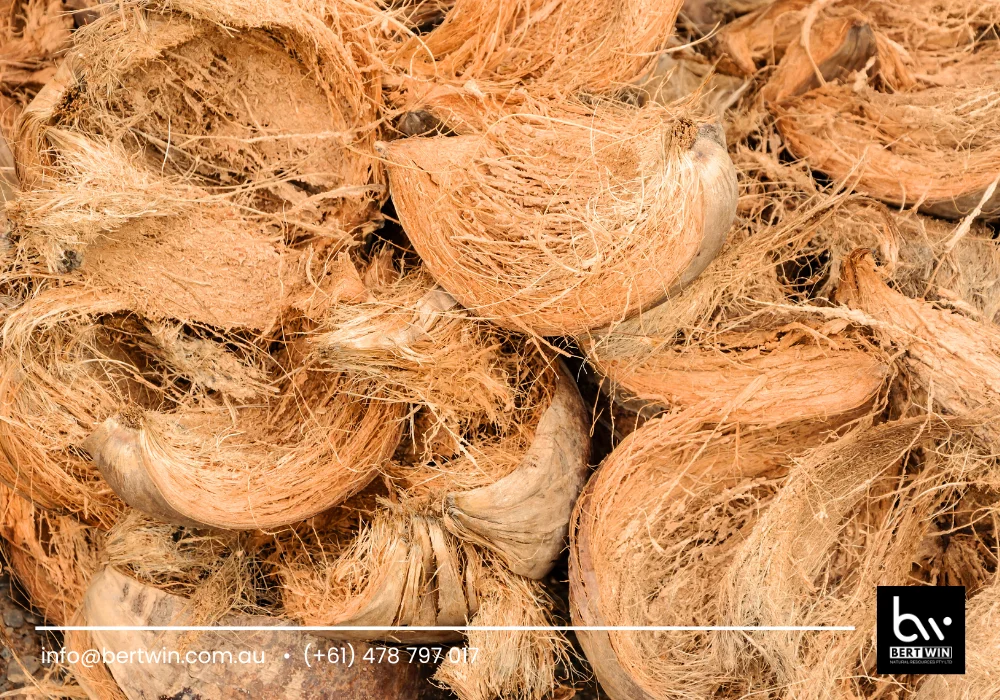
One major factor behind the rising demand for coco peat low ec blocks is their environmental advantage. Coco peat is produced from coconut husks, a natural byproduct that would otherwise become agricultural waste. Manufacturers transform this organic material into valuable growing media, supporting circular economy principles and reducing reliance on peat moss extraction—an activity linked to habitat disruption and carbon release.
Sustainability assessments published by international farming organizations highlight coco peat as a renewable, biodegradable, and low-emission substrate. These attributes have made it a preferred choice for both commercial producers and government-supported agricultural programs.
Improved Crop Performance and Consistency
Growers adopting coco peat low ec blocks emphasize the material’s stability. Low EC levels ensure that plants experience fewer fluctuations during their early growth stages. This leads to:
- Stronger root formation
- Higher germination rates
- Reduced nutrient toxicity
- Better pH balance
- More uniform crop cycles
As growers face production deadlines and competitive market pressure, consistency has become a highly valued characteristic. Low-EC coco peat provides the reliability needed for large-scale agricultural planning and export-oriented nursery operations.
Major Developments in Manufacturing and Export
Southeast Asia Strengthens Its Position as a Global Supplier
Countries across Southeast Asia—including Indonesia, Sri Lanka, Thailand, and India—continue to lead global exports of coco peat low ec blocks. These nations benefit from abundant raw materials and a strong export infrastructure. Over recent years, manufacturing facilities have expanded significantly, adding advanced screening machines, desalination processes, and automated drying systems to meet rising global standards.
Export data from regional trade organizations indicate an increase in shipments to Europe, the USA, South Korea, and the Middle East. Many exporters now offer customized EC levels, finer particle grades, and specialized packaging solutions for large-scale clients.
Quality Control and Industry Certifications
Manufacturers have introduced rigorous quality-control procedures to maintain consistency in EC levels and moisture content. Certifications commonly obtained by leading factories include:
- ISO quality management certifications
- Organic farming input certifications
- Sustainable industry compliance
- Low-salinity processing guarantees
These certifications help exporters meet strict import regulations enforced by European and North American buyers.
Challenges Facing the Coco Peat Industry
Shipping Costs and Container Availability
Despite increasing demand, exporters of coco peat low ec blocks face ongoing logistical challenges. Global shipping disruptions, rising freight fees, and container shortages have impacted the timely delivery of bulk orders. Blocks are heavy and require compressed packaging, making transportation costs a significant operational challenge.
To adapt, several companies are investing in regional distribution warehouses and forming long-term logistics partnerships to reduce risk and stabilize supply chains.
Maintaining Uniform Low-EC Output
Ensuring consistent low-EC output remains a central challenge for manufacturers. Variations in raw material sources, weather conditions, and processing methods can affect EC levels. To address this, factories have increased investment in controlled desalination processes and laboratory testing to maintain product reliability.
Emerging Trends Reshaping the Market
Digital Tools and Smart Nursery Technologies
Digital systems are transforming how growers use coco peat low ec blocks. Automated sensors now help nurseries track moisture, pH levels, and nutrient delivery with elevated precision. These innovations support greater efficiency in greenhouse operations and enable large-scale farms to integrate coco peat into advanced monitoring systems.
Online procurement platforms have also streamlined international trade, enabling buyers to compare product specifications, certifications, and pricing in real time.
Growing Interest in Climate-Resilient Farming Practices
Farmers dealing with extreme weather conditions increasingly rely on materials that promote moisture retention and root stability. Low-EC coco peat is widely recognized as a reliable medium for drought-prone environments. Agricultural ministries in several African and Middle Eastern nations have included coco peat in climate-resilient farming recommendations as part of broader food-security planning.
Market Outlook for the Next Decade
Long-Term Demand for Sustainable Substrates
Analysts forecast continued expansion in the global market for coco peat low ec blocks. As more countries regulate the use of unsustainable substrates and encourage renewable alternatives, coco peat is expected to remain an essential input in horticulture and controlled-environment agriculture.
Increased Investment in Technology and Export Infrastructure
Manufacturers are investing in improved desalination processes, higher-capacity drying facilities, and advanced compression equipment to meet rising export standards. These efforts will likely strengthen the reliability and competitiveness of Southeast Asian suppliers in the global market.
Conclusion: Low-EC Coco Peat Becomes a Key Agricultural Resource
With increasing emphasis on sustainability, precision cultivation, and efficient resource use, coco peat low ec blocks have emerged as an important solution for global agriculture. The combination of environmental benefits, improved seedling performance, and reliable quality is driving strong demand across continents. As greenhouse farming, hydroponics, and climate-resilient agriculture continue to expand, low-EC coco peat is positioned to remain a leading choice for growers worldwide.
For more information, contact WhatsApp (+62) 812-1233-3590 or email sales@arlion.co.id.