
Coco peat grow bags have become an increasingly discussed solution in modern agriculture as growers search for sustainable, efficient, and soil-independent planting media. The background of this trend is closely linked to global challenges such as land degradation, water scarcity, and the growing demand for high-quality food production. As climate change affects traditional farming systems, alternative growing methods using renewable materials are gaining strong attention from both commercial farmers and urban gardeners.
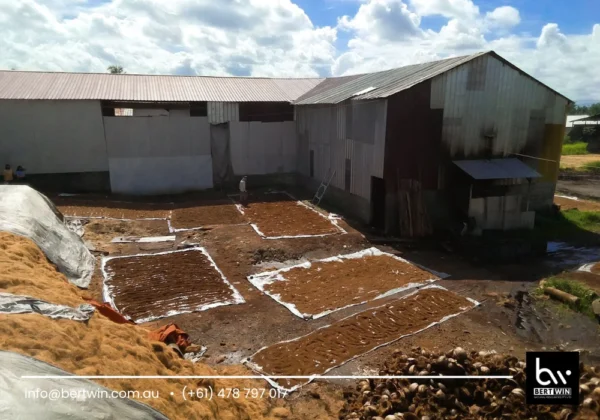
Background of Coco Peat in Agriculture
Coco peat is derived from coconut husk waste, a by-product of the coconut processing industry that was once considered low-value material. Over time, research and field applications have shown that this material possesses excellent water retention, aeration, and root-supporting properties. This background explains why coco peat has gradually shifted from waste to a strategic agricultural resource.
In many regions, soil quality is declining due to overuse of chemical fertilizers and erosion. Growers are therefore turning to soilless cultivation systems that offer better control over nutrients and water. Within this context, coco peat grow bags are widely reported as a practical option for horticulture, greenhouse farming, and hydroponic systems.
Understanding Coco Peat Grow Bags
Composition and Structure
Coco peat grow bags are compact planting containers filled with processed coco peat, often blended with coco chips or fibers to improve structure. When hydrated, the material expands and creates a balanced environment that supports root development. The porous structure allows excess water to drain while retaining enough moisture for plant uptake.
This balance is a key reason why coco peat grow bags are commonly used for crops such as tomatoes, cucumbers, strawberries, and peppers. Farmers can manage irrigation more precisely, reducing water waste and improving crop uniformity.
Why Growers Prefer Coco Peat
One of the most significant advantages is consistency. Unlike natural soil, coco peat offers uniform physical properties, which simplifies crop management. It is also naturally resistant to many soil-borne diseases when properly processed, reducing the need for chemical treatments.
Reports from agricultural practitioners highlight that coco peat grow bags provide predictable results, especially in controlled environments such as greenhouses. This reliability makes them suitable for both small-scale growers and large commercial operations.
Environmental and Economic Benefits
A Renewable and Eco-Friendly Option
From an environmental perspective, coco peat is a renewable resource that supports circular economy principles. By utilizing coconut husk waste, agricultural industries can reduce landfill pressure and promote sustainable material use. This aspect has drawn attention from sustainability-focused farming initiatives worldwide.
In addition, coco peat decomposes naturally over time, minimizing long-term environmental impact. These characteristics position coco peat grow bags as an attractive alternative to peat moss, which is associated with ecosystem degradation.
Cost Efficiency for Modern Farming
Although the initial setup cost may appear higher than traditional soil cultivation, long-term analysis often shows economic benefits. Improved water efficiency, reduced fertilizer loss, and higher yields can offset early investment. Farmers also benefit from reduced labor associated with soil preparation and weed control.
Market observers note that the adoption of coco peat grow bags aligns with the increasing emphasis on resource efficiency in agriculture. This approach supports stable production even in areas with limited arable land.
Applications in Different Farming Systems
Greenhouse and Hydroponic Farming
In greenhouse environments, growers require precise control over growing conditions. Coco peat grow bags fit well into drip irrigation and fertigation systems, allowing nutrients to be delivered directly to plant roots. This method supports faster growth cycles and consistent produce quality.
Hydroponic systems also benefit from coco peat because it provides physical support for roots while nutrients are delivered through water solutions. Many hydroponic farms report improved root health and reduced stress on plants.
Urban and Home Gardening
Beyond commercial agriculture, coco peat grow bags are gaining popularity among urban gardeners. Rooftop gardens, balconies, and small backyard farms often lack access to fertile soil. Grow bags offer a lightweight and manageable solution for growing vegetables and herbs in confined spaces.
Media coverage frequently highlights how coco peat grow bags help urban communities participate in food production, supporting local sustainability initiatives and food security goals.
Quality Standards and Best Practices
Importance of Proper Processing
Not all coco peat products are the same. Quality depends heavily on processing methods, including washing and buffering to remove excess salts. Properly prepared coco peat ensures optimal nutrient absorption and avoids plant stress.
Growers are advised to source products that meet international agricultural standards. Informative reports stress that high-quality coco peat grow bags contribute directly to healthier crops and better yields.
Managing Nutrients and Irrigation
While coco peat has excellent physical properties, it contains limited natural nutrients. Therefore, effective nutrient management is essential. Fertigation programs are commonly used to deliver balanced nutrients throughout the growth cycle.
Experienced farmers emphasize that understanding irrigation schedules is critical. Overwatering can reduce oxygen availability, while underwatering may stress plants. With correct management, coco peat grow bags perform consistently across multiple growing seasons.
Market Trends and Future Outlook
Growing Global Demand
The global demand for sustainable growing media continues to rise. As regulations tighten around environmental protection, many agricultural producers are reassessing their material choices. Coco peat grow bags are frequently cited in industry reports as part of this transition toward greener practices.
Export-oriented farms, in particular, value consistent quality and traceability, both of which are supported by standardized growing systems using coco peat.
Long-Term Role in Sustainable Agriculture
Looking ahead, experts predict that coco peat-based products will play a significant role in climate-resilient agriculture. Their ability to conserve water, support healthy root systems, and reduce dependency on degraded soils aligns with long-term sustainability goals.
As innovation continues, improvements in packaging, formulation, and reuse potential are expected to further enhance the value of coco peat grow bags. These developments suggest a strong future for coco peat as a cornerstone of modern agricultural systems.
For further information, you may contact WhatsApp at (+61) 478797017 or via email at info@bertwin.com.au.