
Coco peat compost has gained increasing attention in the agricultural and gardening sectors as the demand for environmentally friendly and efficient growing media continues to rise. The background of this development is closely linked to global concerns over soil degradation, excessive use of chemical inputs, and the need to utilize renewable resources. As farmers and gardeners search for alternatives that support sustainable production, coco-based materials are being highlighted as a viable and responsible option.
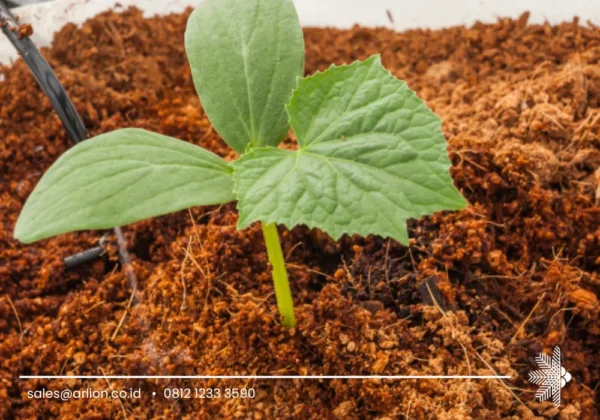
Background of Coco-Based Compost Materials
The use of coconut by-products in agriculture is not entirely new, but their transformation into high-value compost materials reflects a shift in mindset toward circular economy practices. Coconut husks, once treated as agricultural waste, are now processed into versatile growing media that support plant health while reducing environmental impact.
In many parts of the world, fertile soil is becoming increasingly scarce due to erosion, urban expansion, and intensive farming. This situation has encouraged innovation in soilless and semi-soilless cultivation systems. Coco peat compost emerges within this context as a solution that helps maintain productivity while addressing sustainability challenges faced by modern agriculture.
Understanding Coco Peat Compost
Composition and Processing
Coco peat compost is produced from finely ground coconut husks that undergo cleaning, composting, and stabilization processes. These steps are essential to ensure that the material is free from excess salts and suitable for plant growth. The resulting compost has a lightweight structure, high porosity, and excellent moisture-holding capacity.
This composition allows roots to access both water and oxygen efficiently. As a result, plants grown in coco-based compost often show balanced root development and steady growth patterns, making the material attractive for various cultivation systems.
Physical and Biological Properties
One of the defining characteristics of coco peat compost is its ability to retain water while maintaining good drainage. This balance reduces the risk of waterlogging and root rot, common problems in dense or poorly managed soils. Additionally, the organic nature of the material supports beneficial microorganisms that contribute to soil health over time.
Agricultural observers frequently report that coco-based compost provides a stable growing environment, especially when combined with proper nutrient management. These properties make it suitable for vegetables, ornamentals, and even tree seedlings.
Benefits for Agriculture and Gardening
Environmental Advantages
From an environmental perspective, coco peat compost supports waste reduction and renewable resource use. By converting coconut husk residues into agricultural inputs, producers help minimize landfill accumulation and promote sustainable material cycles.
Another advantage is its role in reducing dependence on peat moss, the extraction of which can damage natural ecosystems. The adoption of coco-based compost aligns with global efforts to protect wetlands and reduce carbon emissions associated with traditional soil amendments.
Practical Benefits for Growers
Growers often highlight ease of handling as a major benefit. The lightweight nature of coco peat compost simplifies transportation, pot filling, and container gardening. Its consistent texture also allows for uniform planting conditions, which can improve crop predictability.
In addition, coco peat compost can be reused for multiple planting cycles when properly managed. This reuse potential contributes to cost efficiency, particularly for commercial growers seeking long-term value from their growing media.
Applications Across Cultivation Systems
Horticulture and Greenhouse Farming
In greenhouse operations, precise control over growing conditions is essential. Coco peat compost integrates well with drip irrigation and fertigation systems, enabling growers to deliver water and nutrients directly to plant roots. This approach supports efficient resource use and consistent crop quality.
Many greenhouse producers report that coco-based compost helps maintain stable root-zone conditions, even under intensive production schedules. This stability is particularly valuable for high-demand crops such as tomatoes, cucumbers, and leafy greens.
Urban and Home Gardening
Urban gardening has expanded rapidly as more people seek to grow food in limited spaces. Containers, raised beds, and rooftop gardens often rely on lightweight and manageable growing media. Coco peat compost meets these needs by providing structure, moisture retention, and ease of use.
Media coverage frequently highlights how coco-based compost supports community gardens and home growers who lack access to fertile soil. This accessibility plays a role in promoting food security and sustainable lifestyles in urban environments.
Nutrient Management and Best Practices
Supplementing Essential Nutrients
While coco peat compost offers excellent physical properties, it contains relatively low levels of inherent nutrients. Therefore, effective nutrient supplementation is necessary to achieve optimal plant growth. Growers typically use organic fertilizers or liquid nutrient solutions to maintain balanced nutrition.
Experts recommend monitoring electrical conductivity and pH levels to ensure nutrients remain available to plants. With proper management, coco-based compost can support healthy growth throughout the entire cultivation cycle.
Handling and Storage Considerations
Proper storage is important to maintain compost quality. The material should be kept dry and protected from contamination before use. Once in use, maintaining appropriate moisture levels helps preserve its structure and biological activity.
Growers who follow recommended handling practices often report consistent performance and reduced issues related to pests or diseases.
Market Trends and Future Outlook
Rising Demand for Sustainable Media
Global trends indicate a growing preference for sustainable agricultural inputs. As consumers become more aware of environmental issues, producers are under pressure to adopt greener practices. Coco peat compost is frequently mentioned in industry discussions as part of this transition.
The increasing availability of certified and standardized products has also improved market confidence. This development supports wider adoption across different scales of farming.
Long-Term Role in Modern Agriculture
Looking ahead, coco peat compost is expected to play an important role in climate-resilient agriculture. Its ability to conserve water, support root health, and integrate with modern cultivation systems positions it as a valuable component of future farming strategies.
As research and innovation continue, improvements in processing and blending techniques may further enhance its performance. These advancements suggest that coco-based compost will remain relevant as agriculture evolves to meet environmental and production challenges.
For further information, you may contact WhatsApp at (+61) 478797017 or via email at info@bertwin.com.au.