Bulk coir mats are increasingly discussed in global trade and sustainability reports as demand rises for natural, durable, and environmentally responsible flooring products. The background of this trend is closely linked to growing awareness of plastic waste, the push for renewable materials, and the expansion of green building and hospitality sectors seeking long-lasting yet eco-friendly alternatives.
In recent years, businesses and institutions have looked for entrance and flooring solutions that combine function with sustainability. This shift has positioned coir-based products, made from coconut husk fibers, as a practical option for large-scale procurement.
The Origin and Characteristics of Coir Mats
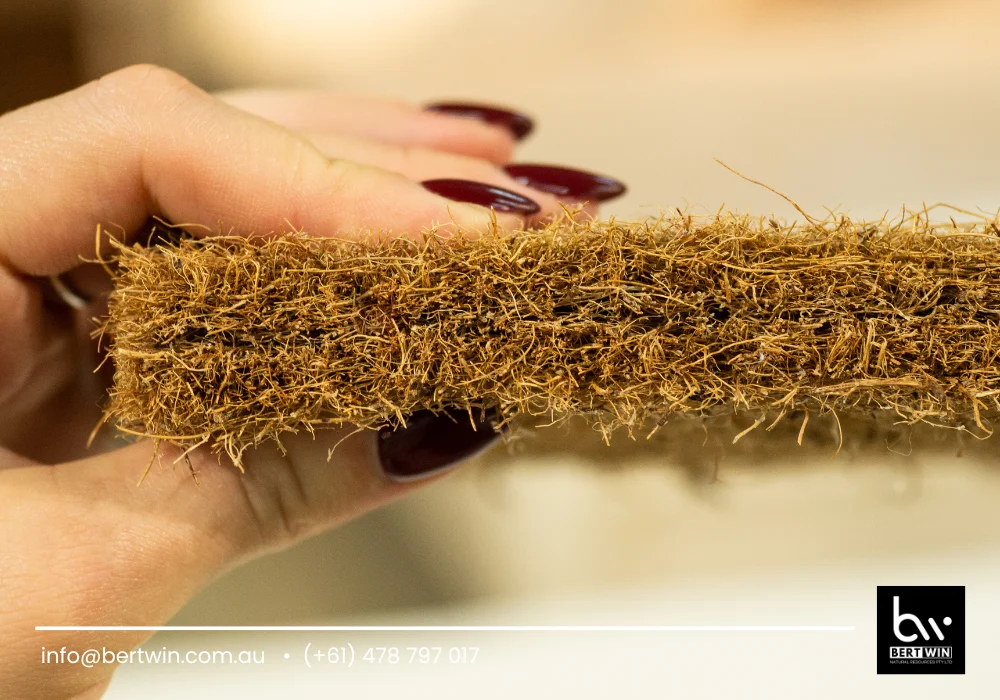
Bulk Coir mats are produced from coconut husks, a byproduct of the coconut industry. Once considered agricultural waste, these husks are now processed into strong natural fibers that can withstand heavy foot traffic and harsh outdoor conditions.
Natural Strength and Durability
One of the main reasons coir mats attract attention is their durability. Coir fibers are naturally resistant to moisture and abrasion, making them suitable for entrances, corridors, and semi-outdoor spaces. Their rough texture effectively traps dirt and debris, helping maintain cleanliness in high-traffic environments.
Because of these properties, coir mats are commonly selected for commercial buildings, hotels, public facilities, and large residential projects.
Market Demand for Large-Scale Procurement
The demand for Bulk coir mats is driven by sectors that require consistent quality and volume. Property developers, facility managers, and distributors often prefer bulk purchasing to ensure uniform design and cost efficiency.
Cost Efficiency and Supply Stability
Bulk procurement offers financial advantages by reducing per-unit costs and simplifying logistics. Manufacturers and exporters are able to plan production more efficiently, which contributes to stable supply chains and predictable pricing.
This efficiency benefits both buyers and producers, particularly in international trade where consistency and reliability are key considerations.
Sustainability and Environmental Impact
Environmental responsibility is a central theme in reports discussing natural fiber products. Bulk Coir mats are biodegradable and sourced from renewable coconut plantations, aligning with sustainability goals promoted by governments and international organizations.
Reducing Environmental Footprint
Unlike synthetic mats made from petroleum-based materials, coir mats decompose naturally at the end of their lifecycle. Their production also supports waste reduction by utilizing coconut husks that would otherwise be discarded or burned.
These environmental advantages make coir mats relevant in discussions about circular economy practices and responsible consumption.
Applications Across Industries
Bulk coir mats are used in a wide range of applications. In commercial settings, they serve as entrance mats that enhance safety by reducing slip risks. In hospitality, they complement natural design concepts and reinforce eco-friendly branding.
Use in Residential and Public Spaces
Residential developers often select coir mats for apartment complexes and housing projects where durability and visual consistency are required. Public buildings such as schools, offices, and transport facilities also benefit from their robustness and low maintenance requirements.
Their versatility allows them to fit various architectural styles, from traditional to contemporary designs.
Quality Standards and Manufacturing Processes
News and industry publications emphasize the importance of quality control in coir mat production. Factors such as fiber density, backing material, and finishing methods influence performance and lifespan.
Ensuring Consistent Performance
Reputable manufacturers implement standardized processing techniques to ensure uniform thickness and strength. Proper curing and weaving methods help maintain fiber integrity, while backing options such as natural latex improve grip and stability,Bulk coir mats.
Quality assurance is particularly important for bulk orders, where consistency across large quantities is essential.
Global Trade and Export Opportunities
International trade data shows steady growth in coir product exports, supported by increasing demand in regions focused on sustainable construction and interior design. Producing countries benefit from value-added processing that strengthens rural economies.
Economic Impact in Producing Regions
The coir industry provides employment opportunities in fiber extraction, weaving, and finishing. Export-oriented production encourages investment in processing facilities and skills development, contributing to long-term economic resilience.
Bulk coir mats therefore play a role not only in end-use markets but also in supporting livelihoods in coconut-producing regions.
Design Trends and Customization
While functionality remains a priority, design trends also influence demand. Buyers increasingly request specific sizes, thicknesses, and patterns to match branding or architectural requirements.
Balancing Aesthetics and Practicality
Coir mats can be customized without compromising their natural appeal. Simple patterns, borders, or logo inserts allow businesses to maintain visual identity while using sustainable materials.
Customization options enhance the relevance of bulk purchasing for corporate and institutional buyers.
Maintenance and Longevity Considerations
Maintenance is another factor frequently mentioned in discussions about coir mats. Regular shaking, brushing, or vacuuming helps maintain effectiveness and appearance.
Long-Term Value for Buyers
With proper care, coir mats offer long service life, making them a cost-effective solution over time. Their ability to perform well in demanding conditions reinforces their suitability for large-scale applications.
This durability supports positive lifecycle cost evaluations in procurement decisions.
Future Outlook for Natural Fiber Mats
As sustainability standards continue to influence construction and interior design, natural fiber mats are expected to maintain strong market presence. Innovations in processing and logistics may further improve consistency and availability.
The role of Bulk coir mats in supporting environmentally responsible infrastructure and design is likely to expand alongside global sustainability initiatives.
Conclusion
Coir mats represent a practical balance between durability, sustainability, and cost efficiency. Their natural origin, strong performance, and adaptability across sectors make them suitable for large-scale use in commercial, residential, and public environments, Bulk coir mats.
As markets increasingly value renewable materials and responsible sourcing, coir mats are positioned as a reliable solution that meets both functional and environmental expectations.
For further information Bulk coir mats, you may contact WhatsApp at (+61) 478797017 or via email at info@bertwin.com.au.